November 2, 2016 — A new report on Swedish men with non-aggressive prostate cancer suggests a lot more American men could safely choose to monitor their disease instead of seeking immediate radiation treatment or surgery.

Lack of shrinkage in the area of the brain responsible for memory may be a sign people with thinking and memory problems may go on to develop dementia with Lewy bodies rather than Alzheimer’s disease, according to a new study. Shrinkage in this hippocampus area of the brain is an early sign of Alzheimer’s disease.

A study by University of North Carolina Lineberger Comprehensive Cancer Center researchers has found that younger, uninsured women in North Carolina had higher odds of missing a 60-day window for getting follow-up after an abnormal mammogram, even though research underscores the importance of timely follow-up.

November 2, 2016 — By the time unambiguous signs of memory loss and cognitive decline appear in people with Alzheimer’s disease, their brains already are significantly damaged, dotted with clumps of a destructive protein known as amyloid beta. For years, scientists have sought methods and clues to help identify brain changes associated with Alzheimer’s earlier in the disease process, so they can try to stop or even reverse the changes before they severely affect people’s lives.

Eizo Inc. announced the release of the RadiForce GX550, a 21.3-inch, 5 megapixel monitor for viewing detailed digital breast tomosynthesis and mammography images. It is the successor model to the RadiForce GX540 and features superior imaging capability and ease-of-use.

Cerner Health Conference

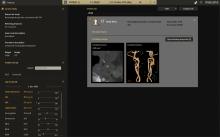
Researchers at Stanford University have demonstrated for the first time the use of a dual optical and positron emission tomography (PET)/computed tomography (CT) activity-based probe to detect atherosclerotic plaques. The study is published in the October issue of The Journal of Nuclear Medicine.

November 1, 2016 — Two new studies have documented the value of the BioZorb marker in improving the treatment of women who have breast cancer.

The first study, a peer-reviewed article appearing in the World Journal of Surgery, outlines how the three-dimensional, bioabsorbable marker provides more accurate targeting of the cancer tumor bed for radiation treatment when implanted during surgery.

Specifically training oncologists and their patients to have high-quality discussions improves communication, but troubling gaps still exist between the two groups, according to a new study in JAMA Oncology.

Subscribe Now