Getty Images
December 7, 2020 — The U.S. Food and Drug Administration (FDA) is informing patients and health care providers that patients may be injured if they wear face masks (such as surgical or non-surgical masks and respirators) with metal parts and coatings during a magnetic resonance imaging (MRI) exam. Metal parts, like nose pieces sometimes called nose clips or wires, nanoparticles (ultrafine particles), or antimicrobial coating that may contain metal (such as silver or copper), may become hot and burn the patient during an MRI. The FDA recommends patients wear face masks with no metal during MRIs.
The FDA recently received a report that a patient’s face was burned from the metal in a face mask worn during an MRI. The FDA reminds patients and providers that patients should not wear any metal during an MRI.
Recommendations for Patients and Caregivers
- Do not wear a face mask containing metal parts, like a bendable nose piece or staples on the headband, nanoparticles, or antimicrobial coating that may contain metal, when having an MRI. You may not be able to tell whether your mask may have metal in it. Ask the person performing the MRI to confirm that the face mask you will wear does not contain metal parts.
- If you are burned by your face mask during an MRI, please report the event to the FDA. Your report, along with data from other sources, can provide information that helps improve patient safety.
Recommendations for Health Care Providers Who Perform MRI Exams
When it is appropriate for a patient to wear a face mask during an MRI exam, such as during the COVID-19 public health emergency, ensure the face mask contains no metal. Some face masks include flexible parts, nose pieces, headband staples, nanoparticles, or antimicrobial coating that may contain metal. If the absence of metal cannot be confirmed and it is determined to be appropriate for the patient to wear a face mask, an alternative face mask where the absence of metal can be confirmed should be used. Health care providers who perform MRI exams are encouraged to provide face masks without metal to patients who will undergo an MRI.
- Continue to screen all patients for MRI safety, including looking for metallic objects, prior to MRI examinations.
- If a patient experiences an adverse event, such as a burn, while wearing a face mask during an MRI, you are encouraged to report the event to the FDA. Your report, along with data from other sources, can provide information that helps improve patient safety.
Device Description
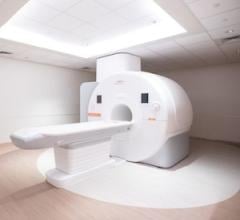
Magnetic Resonance Imaging (MRI) uses strong magnets and radio waves (radiofrequency energy) to make pictures of the inside of the body. MRIs help health care providers diagnose a disease or injury, and monitor medical treatment.
Face masks (non-surgical masks), surgical masks, and certain respirators, such as N95 filtering facepiece respirators without exhalation valves, may help slow the spread of diseases that pass from person to person in respiratory droplets.
Potential for Injury During an MRI While Wearing a Face Mask That Contains Metal
It is appropriate for a patient to wear a face mask for an MRI exam during the COVID-19 pandemic. Before the MRI begins, health care providers who perform MRI exams should confirm the face mask has no metal. Some face masks have metal strips to help shape the mask to the face of the user, nanoparticles, or antimicrobial coating, which may contain metal (for example, silver or copper). The metal could result in radio frequency (RF)-induced heating. This may represent a hazard for MR imaging during the COVID-19 pandemic.
The FDA received an injury report for a patient who was wearing a face mask with metal during a 3 Tesla MRI scan of the neck. The report describes burns to the patient’s face consistent with the shape of the face mask.
Burns from metal objects worn by a patient during an MRI exam are a known issue and patients should not wear any metal during an MRI. Given the increased use of face masks during the COVID-19 pandemic, the FDA wants patients and health care providers to be aware of the potential risk of face burns related to the use of patient face masks containing metal during an MRI.
FDA Actions
The FDA will continue to monitor this issue and keep the public informed if significant new information becomes available.
Reporting Problems
If you experience a problem during an MRI, the FDA encourages you to report the problem through the MedWatch Voluntary Reporting Form.
Health care personnel employed by facilities that are subject to the FDA's user facility reporting requirements should follow the reporting procedures established by their facilities.
Additional MRI Safety Content:
Indian Man Killed in MRI Accident
VIDEO: Identifying and Eliminating MRI Safety Hazards
How To Manage Risk in the MR Suite
Closing the Loopholes in MRI Safety
FDA Issues Draft Guidance on Medical Device Safety in MRI Environment
Study Assesses Risk of MRI Exams for Patients With Tattoos
MRI Safety and Technology Updates
The Debate Over Gadolinium MRI Contrast Toxicity
VIDEO: New App Improves MRI Safety For Implantable Devices
Safety Guidelines for MRI Scanning
Nurse Injured in MRI Accident at Swedish Hospital
 October 19, 2026