

Feature | Digital Radiography (DR) | By Jeff Zagoudis
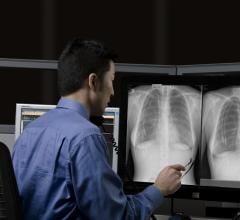
As healthcare in the United States shifts focus to providing higher-quality care while keeping costs down, workflow efficiency is a guiding bedrock principle for providers. From this standpoint, few technologies have demonstrated greater promise for maximizing clinical and operational efficiency than mobile digital radiography (DR). Putting digital X-ray capability onto a mobile cart-based system allows healthcare facilities to bring the radiology department directly to the patient, allowing faster diagnosis, and in turn quicker exam turnaround and discharge times. As the the technology continues to evolve, vendors have focused on improving battery life, durability and wireless connectivity to further maximize the utility of these versatile systems.
 November 03, 2017

News | Information Technology
November 3, 2017 — The Healthcare Information and Management Systems Society (HIMSS) recently welcomed the organization ...
November 03, 2017 News | Enterprise Imaging
November 3, 2017 — Mach7 Technologies invites attendees at the 2017 Radiological Society of North America (RSNA) annual ...
November 03, 2017 Sponsored Content
Sponsored Content
Videos | Radiology Business
Radiology departments have many different needs and face a wide variety of challenges that can impact their departments ...
November 11, 2025 
Feature | Ultrasound Imaging | By Jeff Zagoudis
The following is a roundup of a few of the major advances in ultrasound imaging technology over the last 12 months.
November 03, 2017 
Sponsored Content | Case Study | Enterprise Imaging
Achieving quality in healthcare demands a multifaceted approach that includes technology, education and professional ...
November 03, 2017 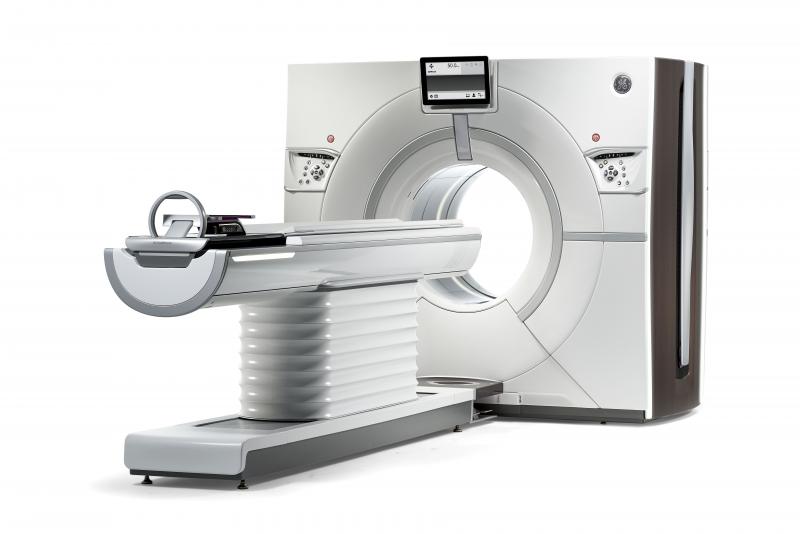
Feature | Computed Tomography (CT) | By Jeff Zagoudis
Computed tomography (CT) continues to be a workhorse modality for radiology departments and its utility keeps expanding. Below are just a few of the ways CT applications have expanded in the last 12 months.
November 03, 2017 Sponsored Content
Feature | Breast Imaging
Despite decades of progress in breast imaging, one challenge continues to test even the most skilled radiologists ...
October 24, 2025 
News | PACS Accessories
November 3, 2017 — Altamont Software Inc. this week completed implementation of CaptureWare at Quantum Imaging and ...
November 03, 2017 
News | PACS
At the 2017 Annual Meeting of the Radiological Society of North America (RSNA), Nov. 26-Dec. 1 in Chicago, Konica Minolta Healthcare Americas Inc. will introduce new functionalities including Performance Dashboards on the Exa Enterprise Imaging solution. Other recent enhancements to the Exa platform include non-DICOM data viewing capabilities and a customized workflow engine.
November 02, 2017 
Young hockey players who have suffered concussions may still show changes in the white matter of the brain months after being cleared to return to play, researchers at Western University have found. These findings were achieved through use of sophisticated magnetic resonance imaging (MRI) techniques.
November 02, 2017 Sponsored Content
Sponsored Content
Videos | Radiology Business
Bayer Radiology’s Barbara Ruhland and Thom Kinst discuss how radiology departments can address the many different ...
October 09, 2025 
News | Mobile C-Arms
November 2, 2017 — Based on its recent analysis of the mobile interventional X-ray solutions market, Frost & Sullivan ...
November 02, 2017 
News | Mammography
Hologic Inc. announced that it will provide all mammography systems for the Dutch Breast Cancer Screening Program in partnership with Tromp Medical, Hologic’s distributor in the Netherlands. Under the tender, Hologic’s new 3Dimensions mammography systems will be installed in mobile and stationary screening facilities across the country, starting in 2018.
November 02, 2017 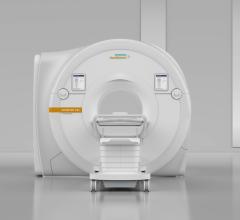
Mallinckrodt Institute of Radiology at Washington University School of Medicine, St. Louis, recently became the first U.S. healthcare institution to install the Magnetom Vida 3 Tesla (3T) magnetic resonance imaging (MRI) scanner from Siemens Healthineers. The scanner features new BioMatrix technology that addresses patients’ anatomical and physiological differences as well as user variability.
November 02, 2017 Sponsored Content
Case Study | PACS
eHealth Saskatchewan plays a vital role in providing IT services to patients, health care providers, and partners such ...
February 03, 2025 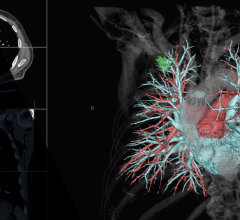
Sponsored Content | Case Study | Advanced Visualization
As a 515-bed full-service healthcare facility, Adventist Health Glendale (AHGL) fully understands the importance of efficiency and productivity — from acquisition and processing to study analysis and diagnosis. When Adventist Health Glendale recognized the inefficiencies in its study processing workflow, a progressive technical solution was sought to save time, money and resources, all while maintaining the highest patient care. Ziostation2’s Automatic Preprocessing proved to be the advanced visualization platform to take their processing workflows to the next level of efficiency.
November 02, 2017 
News | Proton Therapy
Physicians from across the country gathered in Chicago last week to discuss the most recent advances in proton therapy at the Particle Therapy Cooperative Group – North America (PTCOG‐NA) meeting. During the meeting, two important abstracts were presented that addressed concerns about higher costs for proton therapy and delays in payer coverage for pediatric patients.
November 01, 2017 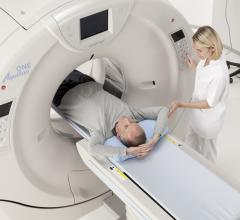
News | Radiation Dose Management
James A. Brink, M.D., FACR, chair of the American College of Radiology (ACR) Board of Chancellors, met with the House Committee on Science, Space and Technology Subcommittee on Energy to urge more research on low-dose medical radiation effects to inform future safety practices. He also told the Committee that medical imaging and radiation oncology save lives.
November 01, 2017 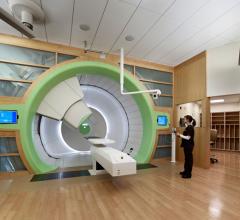
News | Proton Therapy
Pediatric patients with head and neck cancer can be treated with proton beam therapy (PBT) instead of traditional photon radiation, and it will result in similar outcomes with less impact on quality of life. Researchers from the Perelman School of Medicine at the University of Pennsylvania as well as Children’s Hospital of Philadelphia analyzed cases of pediatric head and neck cancer treated with PBT between 2010 and 2016 and found similar rates of tumor control and lower rates of toxicity than what is historically expected from photon radiation. They published their findings in the journal Pediatric Blood and Cancer.
November 01, 2017 
News
November 1, 2017 — FINAO Solutions, a provider of turnkey medical imaging solutions and end-to-end information ...
November 01, 2017 
October 31, 2017 — Cleveland Clinic researcher Chirag Shah, M.D., recently led the development of updated guidelines for ...
October 31, 2017 
Researchers have found that damage to white matter in the brains of former college and professional football players due to recurrent head impacts can be related to playing position and career duration, according to a new study published online in the journal Radiology.
October 31, 2017 
News | Radiology Imaging
Urgent care is one of the fastest growing segments of the healthcare industry, delivering convenient and affordable care options for patients suffering from an acute episode of illness or injury or requiring ongoing primary or specialty care. Konica Minolta Healthcare highlighted its portfolio of imaging and healthcare information technology solutions for urgent care at the 2017 Fall Conference of the Urgent Care Association of America (UCAOA), Oct. 26-28 in Anaheim, Calif.
October 31, 2017 © Copyright Wainscot Media. All Rights Reserved.

Subscribe Now