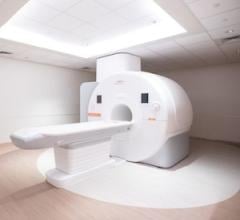
August 17, 2020 — Subtle Medical is approved for Phase II of its NIH SBIR grant to develop an innovative artificial intelligence (AI)-powered software, SubtleGAD, which uses deep learning (DL) to reduce gadolinium dosage needed during magnetic resonance imaging (MRI) exams. Phase II funding is based on the results achieved during Phase I, as well as the scientific and technical merit of the project.
SubtleGAD will benefit millions of patients with advanced chronic kidney disease (CKD) who cannot currently undergo contrast-enhanced MRI, and will reduce the risk of gadolinium retention for many more patients with normal kidney function.
Recognizing the impact of Subtle Medical's AI software on improving patient safety and experience in medical imaging, Subtle Medical was named to 2020 CB Insights Digital Health 150. Subtle was previously named CB Insights Top AI 100.
"Receiving Phase II of the SBIR grant is a tremendous nod to our progress with SubtleGAD. With this technology, hospitals and imaging centers will be able to deliver safer low-dose contrast-enhanced MRI exams without sacrificing the clinical quality of the images," said Enhao Gong, PhD, Co-founder and CEO. "We appreciate the NIH's support in the development of this novel AI product and look forward to deploying it in clinical settings."
Gadolinium-based contrast agents (GBCAs) are used in approximately one-third of the 40 million MRI scans performed annually. The usage of GBCAs has been linked to the development of nephrogenic systemic fibrosis (NSF), and the recent identification of gadolinium deposition within the brain and body has raised safety concerns about the usage of GBCAs. The FDA has issued warnings about gadolinium retention and required GBCA manufacturers to further assess the safety issues.
Subtle Medical presented SubtleGAD research at RSNA 2018, NeurIPS 2019, and ISMRM 2020, demonstrating positive results from clinical reader studies conducted in multiple institutes in the US and abroad.
SubtleGAD is the third product under development in Subtle Medical's growing portfolio of AI technologies aimed at improving the quality and efficiency of radiology. SubtleMR applies two methods of image enhancement — denoising and increasing image sharpness — to improve image quality, while SubtlePET denoises scans that were conducted in 25% of the original scan duration. Both products are FDA-cleared and CE-marked to run on all scanner models and are in clinical use in the US and abroad.
For more information: www.subtlemedical.com
Related Content of MRI Gadolinium Safety Concerns
The Debate Over Gadolinium MRI Contrast Toxicity
VIDEO: How Serious is MRI Gadolinium Retention in the Brain and Body? An interview with Max Wintermark, M.D.
VIDEO “Big Concerns Remain for MRI Gadolinium Contrast Safety at RSNA 2017,” An interview with Emanuel Kanal, M.D.
Radiology Has Failed to Properly Assess or Track MRI Gadolinium Contrast Safety
Recent Developments in Contrast Media
FDA Committee Votes to Expand Warning Labels on Gadolinium-Based Contrast Agents
European Medicines Agency Issues Update on Gadolinium Contrast Agents
ISMRM Issues Guidelines for MRI Gadolinium Contrast Agents
FDA: No Harm in MRI Gadolinium Retention in the Brain
 October 08, 2026