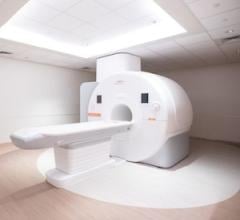
February 5, 2016 — New research may allow more effective and safer pain medications to reach patients who suffer from chronic pain sooner. According to a recent study published in Anesthesiology, the official medical journal of the American Society of Anesthesiologists (ASA), using functional magnetic resonance imaging (fMRI) to measure the brain’s neural response to pain may be a viable tool for evaluating the effectiveness of new pain medications during the early stages of human drug development. This could provide the needed objective evidence to prevent the premature discarding of potentially beneficial therapies.
“Many potential pain-relieving drugs identified in preclinical research fail to reach the market because of a lack of early objective evidence that shows whether a drug is effectively reaching target pain receptors in the body and regulating chronic pain mechanisms,” said Vishvarani Wanigasekera, M.D., study lead author and clinical post-doctoral research fellow, Nuffield Division of Anaesthetics, University of Oxford, England. “We have used noninvasive fMRI to successfully obtain such evidence that we hope can help to prevent the premature discarding of potentially effective pain relievers, as well as avoid exposing patients to ineffective ones.”
Currently, patient-reported pain relief is the primary outcome measure used in human drug development studies to assess whether a pain-relieving medication is effective. However, due to their subjective and context-dependent nature, self-reported pain perception and relief is subject to many influences, in addition to the actual pain-relieving effectiveness of the drug. Early drug development studies typically involve a small sample size. When subjective pain reports are used as the sole outcome measure in these studies, researchers can easily miss effective compounds that might work well in the population at large.
In the double-blind, randomized study, researchers induced a phenomenon called central sensitization and some symptom-like features of neuropathic pain, a complex chronic pain condition, on three separate occasions in 24 healthy volunteers. These results were achieved by applying capsaicin cream, a topical irritant often used to produce similar characteristics of neuropathic pain in an experimental setting, on the subjects’ skin.
Prior to capsaicin cream application, subjects either received a single dose of gabapentin, which is considered effective and a first line treatment for neuropathic pain; ibuprofen, which is generally not considered an effective treatment for the condition; or a placebo. Researchers then assessed the effect the drugs or placebo had on the brain’s neural response to pain using fMRI in addition to patient-reported pain relief.
They found in the absence of behavioral measures distinguishing which drug was most effective at low subject numbers, the imaging responses were clear. Pain-relevant neural activity was significantly reduced in the subjects who received gabapentin, even with extremely low subject numbers, highlighting the potential for fMRI to make a drug’s effect clear in small cohorts.
The authors acknowledge the mechanisms and neural activity involved in the expression of pain in neuropathic patients is not exactly the same as in the healthy subjects with capsaicin cream-induced pain. However, similar studies in early human drug development can determine whether a drug has the ability to affect relevant neural activity in the brain.
“There is a clear need for more effective, safer pain relievers,” said Wanigasekera. “Chronic pain is a very common condition. Even the most effective pain medications currently available only provide adequate pain relief, defined as a 50 percent reduction in pain, in one out of four patients, while some drugs, such as opioids, have significant side effects, including dependence and overuse. We believe that neuroimaging techniques, such as fMRI, can provide objective evidence that can be used as outcome measures in early drug development to enhance the efficiency of the drug development process.”
For more information: www.anesthesiology.pubs.asahq.org

 October 07, 2026