Oct. 22, 2025 — Vistim Labs has announced that its flagship product, Ceregram, is officially ready for launch in neurology offices in the United States, marking a major milestone in the company’s mission to transform how clinicians monitor the effectiveness of treatment for dementia, Alzheimer’s, Parkinson's and other neurological conditions.
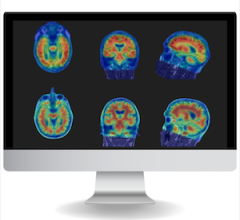
Ceregram provides in-office, routine brain imaging, giving physicians and their patients the ability to know when therapy is working. Ceregram brain images give clear, quantified tracking of changes in brain health, with a level of detail previously only possible through amyloid-PET scans — without the radiation, high cost or limited access. Ceregram is a noninvasive technology that delivers PET-like brain images that show quantified and localized brain amyloid distributions and intensities, alongside other standard biomarkers, through convenient EEG. This means frequent monitoring — monthly, even weekly — is possible, and clinicians and families can better understand whether therapies are actually working.
“For the first time, neurologists can measure the effects of therapy over the course of treatment, and use this feedback loop to make timely, educated adjustments to the patient’s treatment plan,” said James Hamet, founder and CEO of Vistim Labs. “Ceregram empowers physicians to answer the question that matters most: 'Is the treatment working?' We’re proud to see this technology finally ready for clinical adoption, where it can directly impact care decisions for patients living with dementia and other neurological conditions.”
Unlike traditional imaging or blood-based approaches, Ceregram provides high-resolution brain data that physicians can interpret visually and numerically to monitor direct treatment response and progression. This capability is especially valuable for families navigating complex diseases like Alzheimer’s, where waiting for months to determine if a therapy is effective can mean excess mental stress for the patient and loss of critical time.
“Ceregram gives us the ability to see the brain change as we treat,” said Dr. Hanul Bhandari, Chief Medical Officer at Vistim Labs and a Harvard-trained, board-certified neurologist. “In neurology, that’s an extraordinary step forward. It’s not about diagnosis — it’s about giving clinicians and patients the ability to monitor and adjust care when it matters most.”
Ceregram’s entry into clinical use follows years of research and development focused on replacing costly and unsafe imaging modalities with a premium, high-resolution, and more capable monitoring tool. The company’s approach brings advanced neuroimaging into everyday practice, helping doctors optimize care and track therapeutic outcomes across neurological conditions.
“This breakthrough exemplifies how evidence-based digital innovation can make world-class neuroimaging accessible to physicians and patients alike. By enabling real-time monitoring of brain health, Vistim is helping to redefine what’s possible in neurological care—and we’re proud to support that mission,” said Stan Kachnowski, Chair of HITLAB, one of Vistim Lab’s research partners.
As Ceregram rolls out to clinics nationwide, Vistim Labs continues to advance its commitment to science-based innovation in brain health, ensuring that monitoring technology keeps pace with the growing complexity of neurological care.
Go to vistimlabs.com for additional information.

 October 07, 2026