
RELATED CONTENT
News
Anxiety regarding inconclusive cancer screening test results among some patients is real and is only natural. However, as evidenced by Gareen et al, published July 25 in Cancer, the incidence and effects of anxiety associated with false positive or other results of computed tomography (CT) lung cancer screening exams are far less than claimed by some in the medical community.
 August 01, 2014
News
Registration is now open for ACR 2015 — the first American College of Radiology (ACR) all-member meeting — May 17-21, 2015, at the Marriott Wardman Park Hotel in Washington, D.C.
August 01, 2014 
News
July 30, 2014 — A study by Gareen et al, published July 25 in Cancer, the incidence and effects of anxiety associated with false positive or other results of computed tomography (CT) lung cancer screening exams are far less than claimed by some in the medical community.
July 30, 2014 
News
June 6, 2014 — Harvey L. Neiman, M.D., FACR, former chief executive officer of the American College of Radiology (ACR), died June 5 following a long illness. Neiman was widely considered a medical visionary who dedicated his professional life to improving patient care. “ACR members and staff, the radiology community, and organized medicine have lost a dear friend and colleague, exceptional leader, mentor and luminary,” said Bibb Allen, Jr., M.D., FACR, chair of the American College of Radiology Board of Chancellors.
June 06, 2014 
Feature | Nadim Michel Daher
A recent whitepaper by the Economist Intelligence Unit deems value in the “emerging new currency within health markets.” Since medical imaging represents a fairly large segment of the broader healthcare market and certainly one of the most capital-intensive — even if dwarfed in size by other segments such as its pharmaceutical counterpart — this farsighted statement begs the question, “Would saying value has already emerged as a major new currency within the U.S. medical imaging market be too much of an overstatement?”
June 03, 2014 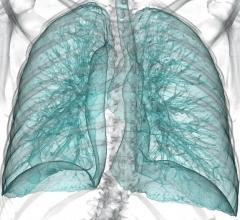
Feature
Data regarding screening of individuals at high risk for lung cancer with low-dose computed tomography (CT) presented at the 2014 Annual Meeting of the American Society of Clinical Oncology (ASCO) overestimates the costs and number of false positive exams due to its reliance on an outdated 4 mm size threshold for defining a positive screen.
June 02, 2014 News
The American College of Radiology (ACR) National Radiology Data Registry (NRDR) has been recognized by the Centers for Medicare and Medicaid Services (CMS) as a Qualified Clinical Data Registry (QCDR) for the Physician Quality Reporting System (PQRS).
June 02, 2014 News
The American College of Radiology’s (ACR) Education Center courses have been qualified to meet the American Board of Radiology’s (ABR) criteria for a self-assessment (SAM) activity and are designated for up to 25 SAM credits toward the ABR Maintenance of Certification program.
May 30, 2014 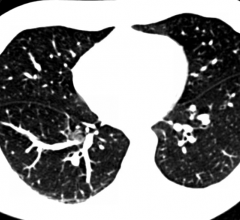
Feature
The American College of Radiology (ACR) is accepting applications for its new ACR Lung Cancer Screening Center program, which recognizes facilities committed to providing quality screening care to patients at the highest risk for lung cancer.
May 12, 2014 
Feature
The American College of Radiology (ACR) and Society of Breast Imaging (SBI) agree with statements by Andorno and Jüni, in their recent article published in the New England Journal of Medicine (NEJM), that women need clear information with which to discuss mammography with their doctor.
May 07, 2014 © Copyright Wainscot Media. All Rights Reserved.

Subscribe Now