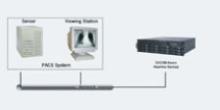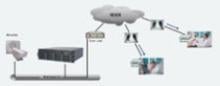
One of the key trends we noticed at RSNA 2005 was the increased emphasis on connectivity between imaging and information technology (IT), due in part to providers collecting a larger volume of images and scores of data that require more IT horsepower. How is Agfa striving to stay ahead of the curve in this area, including company acquisitions?
The connectivity between imaging and information technology is growing at an exponential rate.


Just like the Intel chips that power PCs (and now finally Apple Macintoshes, too!), treatment planning software represents the engine that drives accuracy and effective functionality in radiation oncology equipment used to fight cancer. Consequently, it’s nearly impossible to dismiss the software’s importance and impact on cancer treatment delivery.


Riding along in the car recently, my 13-year-old son told me that viewing a Holocaust dramatization and then meeting concentration-camp-survivor Marion Blumenthal Lazan at his school had brought tears to his eyes. I wish such evil did not exist in our children’s history books, but truly there is no better way than what he experienced to help this and future distant generations know and remember that era of suffering.


What’s your perspective on the current reimbursement conundrum in which physicians find themselves?


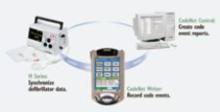
Information technology (IT) solutions are playing perhaps the most vital role in fulfilling the goals of the 100,000 Lives Campaign initiated by the Institute for Healthcare Improvement (IHI). IT supports four proven interventions in the critical care setting, interventions that are, bottom line, bolstering patient safety in the hospital and reducing hospital deaths by underpinning evidence-based protocols for acute care clinicians.


Sometimes you just can’t get away from a thing. A series of coincidences sprinkle your week with irony, you’re bombarded with ads for the same product, or maybe it’s bumping into the same acquaintance over and over at all the places you frequent. Funny at first, then kind of spooky.


Many process improvements have recently been developed and implemented at the University of Pittsburgh Medical Center (UPMC), part of a 16-hospital network in southwest Pennsylvania. As part of the widespread improvement program, the hospital’s approach to critical care was redesigned in an effort to improve efficiency and reduce costs.

Good technology strategies have served LaPorte Hospital and Health Services well, and continue to provide a backbone for the hospital’s national reputation for quality.


Patient safety is on everyone's mind today. In the lab setting, what types of errors are most prevalent in your opinion — what do hospitals struggle with the most in the area of blood gas testing?
There are basically four types of errors that can occur in the analytical process for blood gas testing: (1) specimen mislabeling, which means there’s been a mismatch of the patient ID and the specimen; (2) improper mixing of the specimen; (3) adding air bubbles in the sample; and (4) samples delayed in transport that begin to separate and aren't good for blood gas analysis.


Subscribe Now