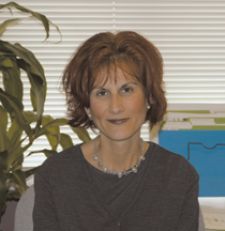
Kim Phelan, Editor
Sometimes you just can’t get away from a thing. A series of coincidences sprinkle your week with irony, you’re bombarded with ads for the same product, or maybe it’s bumping into the same acquaintance over and over at all the places you frequent. Funny at first, then kind of spooky.
Lately I observe a recurring theme — even within these 60 pages — that healthcare is getting positively pummeled with, and there is no ignoring or escaping it, though it’s known by many names: connectivity, integration, automation, healthcare information technology (HIT). Call it what you will, technology attached to all facets of healthcare processes and devices is going to continue to spread — but trust me, it’s all good.
Now if the word “scary” is all you’re thinking when you imagine IT invading your provider space in acute care, take a look at some reassuring articles we’re featuring in this issue. Dr. Steven Hata, who is a valued member of this magazine’s editorial advisory board, and his HIT colleague Kristy Walker present their views (p. 24) on the significant impact computer connectivity to hemodynamic monitoring is having on the intensivist’s ability to stay fully apprised of patients’ conditions and thus potentially provide better care.
We also look at clinical information management systems through the eyes of three end-users who were directly responsible for the buying decisions at their hospitals — find out what kind of “carrots” are helping to foster adoption by practitioners in acute care, emergency and respiratory therapy departments, starting on p. 56. I’m particularly fond of something Julia Florea, ED manager at Providence Newberg of Oregon told me: “Technology scares some people,” she said. “[But] if you can click a mouse, you can learn a system.”
What I find scary about IT in healthcare, Julia, is the apparent reluctance of some physicians and nurses to abandon their wasteful and error-fraught paper processes, wasted efforts and time and incalculable loss of data and trends that could be used to revise protocols that help heal the sickest of the sick. The irony is that computer connectivity is really about connecting human caregivers to human patients, driving more care to the point of care. And at the end of the day, patients experience better outcomes, reports are cleaner and more consistent and — imagine this — doctors and nurses escape burnout and maybe even get to go home a few hours earlier.
If you’re among the renegades — secretly or vocally — who still believe technology can be put in a box up on the shelf or hidden in a back closet, you’re either living on a deserted island or in a previous century. Or, more likely, you’re just not partial to change; if you’ve been practicing medicine since before I could walk, I can’t say that I blame you. But there’s so much power here — power not only to make your work easier, but to make you more effective as you work among critically ill and injured people. For their sake I hope you will embrace all the IT advances your hospital or medical center can afford to give you.
Thanks for reading.
 September 09, 2026