April 30, 2009 - Radiation safety experts at the International Atomic Energy Agency (IAEA) say overuse of high-tech scanning procedures, such as computed tomography (CT), may unnecessarily expose patients to increased radiation levels.
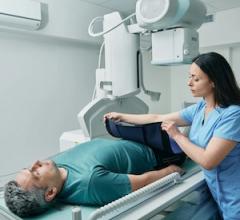
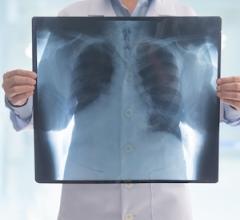
Concern surrounds procedures such as CT because they deliver higher doses of radiation to patients in comparison to conventional X-rays. It's been estimated that the average radiation dose of one CT scan is equal to roughly 500 chest X-rays. And that can increase a patient's lifetime risk of cancer, particularly if CT scans are repeated.
The IAEA, in collaboration with other international organizations, is developing a series of measures aimed at strengthening patient protection. The focus of recent efforts is a Smart Card project, to log how much radiation a person receives in the course of a lifetime.
"The medical application of ionizing radiation is the fastest growing source of radiation exposure to human beings today," says Renate Czarwinski, head of the IAEA's radiation safety and monitoring section. "We acknowledge the great value of the new technologies, but want to ensure that each and every examination is justified. The radiation protection of patients is also important."
According to the latest estimates of the United Nations Scientific Committee on the Effects of Atomic Radiation (UNSCEAR), as many as 4 billion diagnostic X-ray examinations are carried out worldwide each year. This represents an increase of more than 17 percent over the last 10 years in the collective dose to the world's population.
In particular, the use of CT scanning has grown dramatically in recent years. This X-ray based procedure provides three-dimensional views of, for example, organs or blood vessels and represents unparalleled advances in terms of clarity of image, ease of application and patient friendliness. For this reason there is a growing tendency for more and more CT examinations to be carried out. But published reports in medical literature, for example the November 2007 New England Journal of Medicine, suggest that up to 50 percent of all scans done today are questionable on the grounds of medical justification.
For more information: www.iaea.org

 October 07, 2026