transient ischemic attack (TIA) emergency department (ED) encounters with incomplete neurovascular imaging were associated with higher odds of subsequent stroke within 90 days.

Vincent M. Timpone, MD 


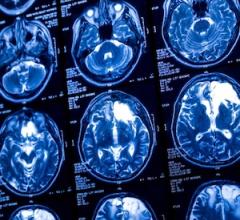
June 9, 2023 — According to an accepted manuscript published in ARRS’ own American Journal of Roentgenology (AJR), transient ischemic attack (TIA) emergency department (ED) encounters with incomplete neurovascular imaging were associated with higher odds of subsequent stroke within 90 days. 

“Increased access to urgent neurovascular imaging in patients with TIA may represent a target that could facilitate detection and treatment of modifiable stroke risk factors,” wrote first author Vincent M. Timpone, MD, from the department of radiology at the University of Colorado Hospital in Aurora

Timpone et al. studied data from the 2016–2017 Medicare Standard Analytical Files, which contain 100% sample claims for Medicare beneficiaries. Information was extracted via ICD-10 and CPT codes. Patients discharged from an ED encounter with a TIA diagnosis—who also underwent brain CT or brain MRI during or within 2 days of said encounter—were then identified. Patients were deemed to have complete neurovascular imaging if undergoing cross-sectional vascular imaging of both the brain (brain CTA or MRA) and neck (neck CTA or MRA or carotid ultrasound) during or within 2 days of their encounter. 

Ultimately, a total of 37.3% (69,825/111,417) of TIA ED encounters nationally showed associations with a complete neurovascular imaging workup. Adjusting for patient and hospital characteristics, an incomplete neurovascular imaging workup was associated with increased likelihood of stroke within 90 days of the encounter (OR 1.3 [95% CI: 1.23-1.38]). 

“To ensure that risk factors for stroke can be identified and treated,” the authors of this AJR accepted manuscript reiterated, “patients with TIA should have improved access to timely neurovascular imaging.” 

For more information: www.arrs.org 

Related Content

News | Magnetic Resonance Imaging (MRI)

March 25, 2026 A Penn Medicine–led team has developed a first‑of‑its‑kind artificial intelligence system that interprets ...

Time March 26, 2026
arrow
News | FDA

March 24, 2026 — MARS Bioimaging, a New Zealand–headquartered medical device company, has received U.S. Food and Drug ...

Time March 25, 2026
arrow
News | Radiology Imaging

March 23, 2026 — Samsung Medison hsa announced that its U.S. medical imaging businesses, previously operating as ...

Time March 23, 2026
arrow
News | Radiology Education

March 17, 2026 – The Center for Radiology Education (CRE) has announced a nationwide initiative to provide scholarships* ...

Time March 17, 2026
arrow
News | Breast Imaging

March 10, 2026 — QT Imaging Holdings has received U.S. Food and Drug Administration (FDA) 510(k) clearance for an ...

Time March 13, 2026
arrow
News | Radiology Business

March 12, 2026 — DelveInsight's has released its latest Diagnostic Imaging Equipment Market Insights report. The in ...

Time March 13, 2026
arrow
News | Lung Imaging

March 11, 2026 — Noah Medical has announced the publication of the MATCH 2 study in the international, peer-reviewed ...

Time March 12, 2026
arrow
News | Computed Tomography (CT)

March 5, 2026 — At ECR 2026, Royal Philips introduced Rembra, its next-generation radiology CT system designed for the ...

Time March 09, 2026
arrow
Feature | Artificial Intelligence | Kyle Hardner

Once considered an adjunct brain cancer therapy and a last-resort treatment, noninvasive radiosurgery has evolved ...

Time March 09, 2026
arrow
News | Artificial Intelligence

March 2, 2026 — RadNet, Inc. has acquired Gleamer SAS, a radiology AI company based in Paris, France. Gleamer will be ...

Time March 03, 2026
arrow
Subscribe Now