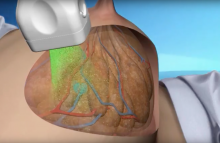
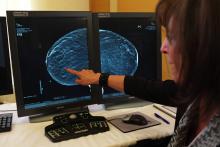
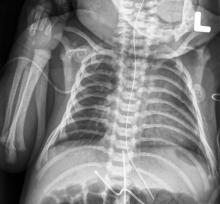
Chagas disease (ChD), an infectious parasitic disease transmitted primarily by triatomine insects, has become a significant public health problem in recent decades. While many ChD patients suffer only minor symptoms, 20-30 percent develop chronic heart disease (ChHD); the variety of possible abnormalities caused by ChHD requires understanding of how different imaging modalities can assist in diagnosis and treatment decisions. A new document, Recommendations for Multimodality Cardiac Imaging in Patients with Chagas Disease: A Report from the American Society of Echocardiography in Collaboration With the InterAmerican Association of Echocardiography (ECOSIAC) and the Cardiovascular Imaging Department of the Brazilian Society of Cardiology (DIC-SBC), aims to provide the first comprehensive guidance for how best to use the multiple cardiac diagnostic tools to assess and monitor the growing number of patients with these Chagas-induced heart problems.

Philips and Arizona-based Banner Health recently announced they have extended their multi-year partnership to include adoption of Philips' PerformanceBridge Practice, helping Banner to accelerate its clinical transformation in radiology and further deliver on its goal of improving care for patients. PerformanceBridge Practice is a part of the Philips PerformanceBridge portfolio, a suite of operational performance improvement software and services that assist radiology departments in enhancing productivity, improving the patient and staff experience, while delivering better value-based care. Philips and Banner will work collaboratively to pinpoint improvement opportunities, and a dedicated Philips Solution Advisor will help Banner to develop solutions that address areas for improvement. Banner will roll out PerformanceBridge Practice in all 28 of its radiology departments in a two-phased approach, starting with their 16 Arizona and academic sites, then expanding to its 12 radiology departments in five other states.

Information from brain magnetic resonance images (MRIs) can help identify people with attention deficit hyperactivity disorder (ADHD) and distinguish among subtypes of the condition, according to a study appearing online in the journal Radiology.


Sixty million women undergo regular screening mammography in the United States, but even in the digital age, it is difficult to keep patients connected to their prior mammograms. You would think that with the proliferation of handheld devices and the reach of the Internet it would be easier than ever for patients and physicians to manage clinical images. But in fact, 25 percent of screening patients and 60 percent of diagnostic patients do not have prior mammograms available for comparison at the time of their examinations.[1-4]

MEDraysintell recently downgraded its projection for proton therapy rooms expected to be operational in 2030 from 1,200 to 900. The company said this still represents a 12 percent annual growth from 2017 to 2030, and the need to open an average of more than 50 proton therapy treatment rooms every year from 2018 to 2030.

Seno Medical Instruments Inc. (Seno Medical) recently reported data from their clinical study demonstrating that its Imagio opto-acoustic (OA)  breast imaging system achieved significant differentiation among prognostic subtypes of breast cancer (PSBC). These prognostic subtypes provide important information about the genes that each patient's cancer expresses. The data were presented during a poster presentation at the San Antonio Breast Cancer Symposium, Dec. 5-9 in San Antonio, Texas.

iCAD Inc. announced that its Xoft Axxent Electronic Brachytherapy (eBx) System is now available at two California-based centers from The US Oncology Network – Santa Clarita Radiation Therapy Center and Sherman Oaks Radiation Therapy Center. Local patients with non-melanoma skin cancer (NMSC), including individuals precluded from surgery or those seeking a non-invasive option, will now have access to a proven alternative.

IBA (Ion Beam Applications S.A.) announced in November the acceptance and beam model validation of the first Varian Halcyon machine in Europe to go clinical, at the hospital UZ Leuven in Belgium, using IBA Dosimetry’s Blue Phantom water phantom system.

January 2, 2018 — A new study found women who had received chemotherapy and/or radiation therapy to treat breast cancer were more likely to have high levels of DNA damage and reduced activity of an enzyme involved in chromosome healing, compared to women who underwent surgery alone.

December 29, 2017 — Radiologists can enhance the quality and effectiveness of care with the newest release of the ACR Appropriateness Criteria.

Subscribe Now