May 17, 2010 – When patients present with chest pain or other high-risk symptoms of heart problems, doctors increasingly rely on nuclear imaging and computed tomography (CT) to find evidence of heart disease. Results of these procedures can help guide life-saving prevention and treatment options.

May 14, 2010 – With the diagnostic imaging center facing reimbursement rates cuts, there are deals to be had in imaging center acquisitions business.


A quick look at the current statistics sends an alarming message: The state of cardiovascular health in the United States is abysmal. With diabetes and obesity on the rise, we as physicians need to take the lead to help the U.S. population manage its increasing risk for developing cardiovascular-related disease.


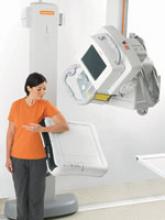
May 13, 2010 - Patients undergoing X-ray exams often suffer from painful debilitation where mobility is limited. They may be using a wheelchair, unable to stand or not able to sit up. These patients can challenge a technologist working with the rigid configuration of a typical X-ray system.

May 12, 2010 - This year, 35,720 Americans will be diagnosed with head and neck cancer, and 7,600 will die from the disease, according to the American Cancer Society.

May 12, 2010 - Senate minority deputy whip, Sen. David Vitter (R-La.), recently sent a letter to U.S. Department of Health and Human Services (HHS) Secretary Kathleen Sebelius demanding HHS remove all materials and references to the November 2009 U.S. Preventative Services Task Force (USPSTF) mammography recommendations.

May 12, 2010 - There is a growing market for software developers to integrate 3-D radiation therapy software solution into radiation therapy planning and treatment delivery protocols at oncology centers.

May 12, 2010 - Positron emission mammography (PEM) may reduce unnecessary breast biopsies, according to new data from an National Institutes of Health (NIH)-sponsored, multisite study of hundreds of women with newly diagnosed breast cancer.


A team of doctors will present a video case study on how physicians based in the United States used teleradiology and telemedicine technology to treat patients located in a remote clinic in Honduras.


Are you one of those people who gets really excited about a new gadget, only to pull your hair out later trying to figure out how it works? If you have a global positioning system (GPS), you can probably relate. It takes more than just buying new technology, you need to learn how to use it.


Subscribe Now