May 2, 2023 — Metabolic disorders are involved in many common health conditions such as Alzheimer's, depression, diabetes, and cancer. Non-invasive diagnostic methods are needed to reliably detect these disorders. Until now, radioactive substances have been used to map glucose metabolism in the brain. However, a research team at MedUni Vienna has developed a new MRI approach that uses a harmless glucose solution to generate reliable results. This new method can be used with all common MRI scanners and has been published in the scientific journal Nature Biomedical Engineering.
The research team conducted a study to improve current diagnostic methods for mapping brain glucose metabolism. They measured blood glucose levels and metabolic products in healthy subjects multiple times over 90 minutes, using a harmless glucose solution instead of radiolabeled glucose. This method indirectly measured the concentrations and metabolism of glucose based on changes in signal intensity for the product. Unlike other approaches, this method does not require additional hardware components, making it easy to use with other MRI devices. Wolfgang Bogner from MedUni Vienna explained the significance of this finding for clinical practice.
Broad Range of Potential Applications
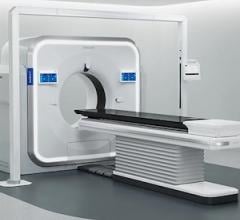
The study was conducted by researchers from the Department of Psychiatry and Psychotherapy and the Department of Medicine III at MedUni Vienna, using the university's 7-Tesla MRI scanner, which is the only ultra-high-field MR scanner in Austria. The researchers were able to demonstrate that their new approach also works on 3-Tesla MR scanners, which are commonly used in clinical applications. This finding was an important step in validating the practicality and widespread applicability of the new method. Fabian Niess, the lead author of the follow-up study, highlighted the significance of this development.
Further Studies Needed to Confirm Results
Many common diseases are characterized by abnormalities in glucose metabolism. For example, cancer and tumor cells consume more glucose than normal cells, which is used in diagnosing and locating tumors through PET-CT scans. However, this requires injecting patients with radioactive glucose. While the new, less invasive MRI method developed at MedUni Vienna shows promise, further studies are needed to validate its effectiveness before it can be used for patient benefit.
For more information: https://www.meduniwien.ac.at/web/

 October 08, 2026