November 26, 2013 — New and updated evidence-based guidelines to help health care providers choose the most appropriate medical imaging exam or radiation therapy for a patient’s clinical condition are now available via the latest version of the American College of Radiology (ACR) Appropriateness Criteria. These continually updated criteria are a national standard developed by expert panels of physicians from many different medical specialties. They are available on ACR's website.
In the latest version, the ACR updated 29 appropriateness criteria topics and added 12 new criteria that include: Asymptomatic Patient at Risk for Coronary Artery Disease; Acute Hip Pain — Suspected Fracture, Blunt Chest Trama, Thyroid Carcinoma, Early Stage Non-Small-Cell Lung Cancer and High Dose Rate Brachytheraphy for Prostate Cancer. ACR Appropriateness Criteria guide physicians when ordering exams and help ensure that patients get the right scan or therapy for the right indication. The criteria have also been shown to improve quality, reduce unnecessary exams and lower costs.
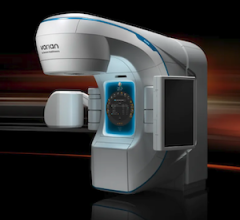
“Choosing the most appropriate radiation therapy strategy is critical to the effective and safe treatment of many cancer patients,” said Benjamin Movsas, M.D., FACR and chair, American College of Radiology Committee on Radiation Oncology Appropriateness Criteria. “Use of ACR Appropriateness Criteria can guide physicians in doing so by providing the latest evidence-based approach for a wide variety of radiotherapy issues, such as the appropriate radiation dose, technique, volume, etc.”
ACR Appropriateness Criteria provides a tool for more effective clinical decision-making to help ensure imaging is neither over- nor under-utilized. Expert panels in diagnostic imaging, interventional radiology and radiation oncology developed the guidelines. Each panel includes leaders in radiology and other specialties. Currently, there are 197 topics with over 900 variants available.
“ACR Appropriateness Criteria are the most comprehensive evidence-based guidelines available for selection of the best diagnostic imaging and image-guided interventional procedures for specific clinical needs,” said E. Kent Yucel, M.D., FACR, chair, American College of Radiology Committee on Diagnostic Imaging and Interventional Radiology. “They can also help reduce unnecessary patient and population exposure to radiation, a growing concern of many Americans, by making sure that procedures that use radiation are only used when indicated. The Appropriateness Criteria group is very excited to be participating in the development of ACR Select, a new tool for decision support, which has the potential to greatly streamline the ordering and approval of diagnostic exams nationwide. Every provider should take the opportunity to familiarize themselves with these guidelines before making a diagnostic imaging or image-guided interventional treatment decision.”
For more information: www.acr.org
 October 19, 2026