
Feature | Melinda Taschetta-Millane
Although the fundamental workflow has not changed for treatment planning systems over the years, as technology improves, new features are added to enhance workflow and function.
 July 03, 2014
Feature | Raissa Rocha
Imaging displays, from consumer to medical grade, have come a long way since the days of bulky screens and low resolutions. Today, flat panel displays in the healthcare arena have increasing capacity to offer improved contrast ratios, truer colors, better energy efficiency, high luminance and more. A variety of vendors continue to improve the technology to better display imaging modalities, including computed tomography (CT), magnetic resonance imaging (MRI), X-ray, positron emission tomography (PET), mammography and ultrasound, and to ensure screens remain DICOM (digital imaging and communications in medicine) compliant.
July 03, 2014 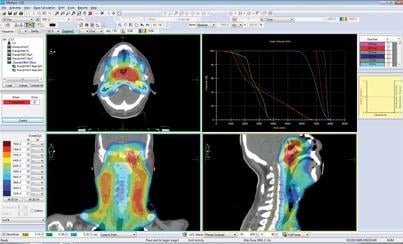
Feature | Williette Nyanue
Tomotherapy and volumetric modulated arc therapy (VMAT) have emerged as two popular types of intensity modulated radiation therapy (IMRT) for the treatment of complex tumors. Because physicians can modulate or control the intensity of the radiation beam in VMAT and tomotherapy, both treatments provide high precision radiation with which tumors that are curved around critical organs can be treated.
July 03, 2014 Sponsored Content
Sponsored Content
Videos | Radiology Business
Radiology departments have many different needs and face a wide variety of challenges that can impact their departments ...
November 11, 2025 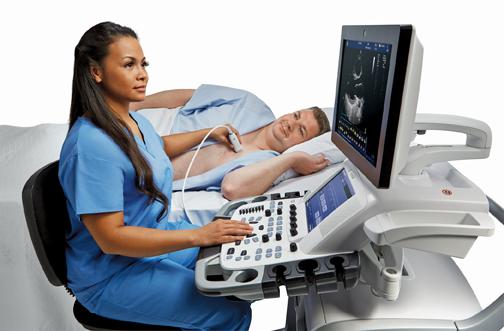
Feature | Dave Fornell
Cardiac ultrasound technology has advanced to keep up with several trends. These include improved workflow for greater efficiency, expanded use of qualification metrics, expanded use of 3-D echo to speed exam times and improve operator reproducibility, and expanded use of 3-D transesophageal echo (TEE) to aid guidance in the growing area of transcatheter structural heart procedures. Here are a few examples of how the newest technology is addressing these trends.
July 03, 2014 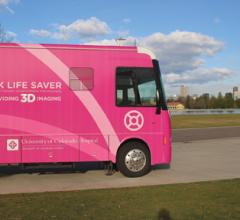
Case Study | Sponsored by Hologic
With the addition of its third 3D mammography system in early 2014, the University of Colorado Hospital established 3D as the standard of care in its breast imaging department. Located in Aurora, Colo., the hospital currently provides mammograms in two centers in the Denver area, and on its “Pink Lifesaver” mammography coach, which covers surrounding communities. The transition to 3D got a jump-start from fundraising efforts by the hospital’s “Men for the Cure” foundation, with donations from the group used to purchase the first 3D system and the mobile coach.
July 02, 2014 Feature | Melinda Taschetta-Millane
The Society of Nuclear Medicine and Molecular Imaging (SNMMI) recently held its annual meeting in St. Louis. It provided an in-depth review of molecular imaging technologies, clinical applications, and translational and advanced research topics for molecular imaging professionals — nuclear medicine physicians, scientists, radiologists, cardiologists, pharmacists, technologists, researchers, and others involved and interested in nuclear medicine and molecular imaging and therapy.
July 02, 2014 Sponsored Content
Feature | Breast Imaging
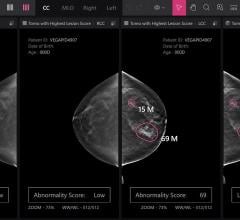
Despite decades of progress in breast imaging, one challenge continues to test even the most skilled radiologists ...
October 24, 2025 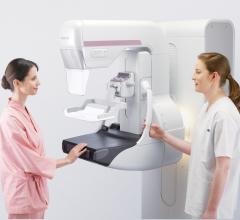
Technology
Fujifilm Medical Systems U.S.A. Inc. announced 510(k) clearance from the U.S. Food and Drug Administration (FDA) of the Aspire Cristalle.
July 02, 2014 
News
Siemens Healthcare recently submitted its premarket approval application (PMA) for the Mammomat Inspiration with Breast Tomosynthesis option to the U.S. Food and Drug Administration (FDA)
July 02, 2014 
Feature
Breast cancer is a disease usually associated with women, as reflected by pink ribbons and gear, but men get it too, albeit rarely.
July 02, 2014 Sponsored Content
Sponsored Content
Videos | Radiology Business
Bayer Radiology’s Barbara Ruhland and Thom Kinst discuss how radiology departments can address the many different ...
October 09, 2025 
News
Commencing Jan. 1, 2015, breast density information must be included in a patient's mammography reporting results in Missouri.
July 01, 2014 
News
Civco Medical Solutions announced a partnership with 21st Century Oncology to utilize Civco’s 6 Degrees of Freedom Protura Robotic System.
July 01, 2014 
Sponsored Content | Videos | Radiation Therapy
Kettering Medical Center Therapist, Sarah Macke, describes how their center improved their treatment process with safety ...
July 01, 2014 Sponsored Content
Case Study | PACS
eHealth Saskatchewan plays a vital role in providing IT services to patients, health care providers, and partners such ...
February 03, 2025 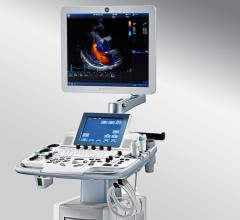
Technology
GE Healthcare announced clearance from the U.S. Food and Drug Administration (FDA) for its new Vivid T8 cardiovascular ultrasound device. The 129-pound, mobile system features innovative quantitative features, stress echo and TEE capabilities in an affordable echo system.
July 01, 2014 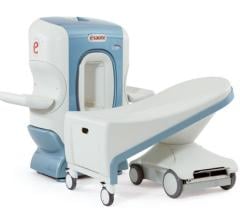
News
Argentina’s team doctor, Dr. Alejandro Rolon, is taking no chances with his World Cup squad in Brazil. The complete medical imaging department that has been created at Argentina’s training base includes a dedicated magnetic resonance imaging (MRI) system at the training center itself, and extends to field-level ultrasound scanning of injuries, if required.
June 30, 2014 News
Clinicians at Froedtert & the Medical College of Wisconsin Clinical Cancer Center are achieving excellent planning results in the first U.S. combination of Elekta's Monaco 5 radiotherapy treatment planning software and Siemens' mARC (modulated arc) therapy technique.
June 30, 2014 Technology
The Web-based Marz Universal Viewer gives medical providers easy, unlimited access to imaging and patient data in many different formats, including DICOM (digital imaging and communications in medicine), and non-DICOM.
June 30, 2014 News
BC Technical and UltraSPECT Inc. have entered into a long-term agreement to provide their customers easier access to UltraSPECT products across the nation.
June 27, 2014 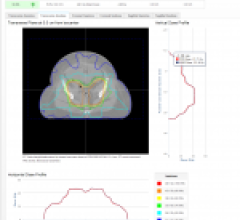
Technology
Mobius Medical Systems LP’s Mobius3D software has received U.S. market clearance as a Class II medical device from the U.S. Food and Drug Administration (FDA).
June 27, 2014 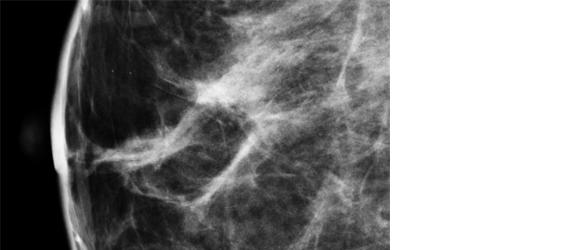
Feature
Governor Deval Patrick has signed Massachusetts’ breast density inform bill into law (Chapter 150) this week, making Massachusetts the 18th state to enact a such legislation.
June 27, 2014 Blog
Call-backs have always been a problem in mammography. They are a source of worry, added discomfort, well-founded patient complaints about the inefficiency of breast exams, and unnecessary cost. More than that, they call into question the credibility of an exam whose use depends on women’s belief in its value.
June 26, 2015 © Copyright Wainscot Media. All Rights Reserved.

Subscribe Now