The notion of breast positioning has been turned upside down with the Horizon Prone Breastboard. Unlike other bulky prone positioners, the Horizon is lightweight, weighing less than 20 pounds. Patient comfort is achieved through weight-dispersing memory foam, and the ergonomic design allows for optimal patient access.
The system comes with three carbon fiber wedges. The wedges vary in size from 15 to 25 cm, to create a customized fit for each patient.

InDex Archive solution has been upgraded, enabling immediate access to relevant prior exams through temporary onsite storage called the InDex Archive ExamReady feature.

Panasonic Computer Solutions' reportedly durable, reliable computing device is specifically designed to support e-Health initiatives, improve clinical care and enhance business performance. The new Panasonic Toughbook Wireless Display complements the company’s full line of durable, reliable mobile computing devices for healthcare.

GE Healthcare has enhanced the performance of the Centricity Business Solutions Advanced Web client by adopting Microsoft .NET  architecture. The Advanced Web client delivers 100 percent Web-based technology that improves user performance and patient satisfaction.


Acclaimed stage and screen actor Avery Brooks playfully demanded to know “where are the flying cars” in that insurance company television commercial, an ode to a bygone era of popular science fiction that predicted our primary mode of transportation by the third millennium. Back in the 1950s, people whimsically dreamed about what the world would be like 50 years from then and how we would live, play and work with technology that made things so much easier. But today saw no flying cars, Brooks lamented in mock disappointment.


PUERTO VALLARTA, Mexico, March 9, 2006 — The increasing role and mainstreaming of breast MRI in hospitals and breast centers across the country is resulting in more mammographers stepping into the MR suite. And why not? It’s a natural move for physicians to easily transition from reading X-ray and ultrasound images to magnetic resonance imaging (MRI), and then performing a biopsy in a more traditional modality. The new question yet to be answered is what role does targeted ultrasound play in a breast MR practice?


Picture archiving and communications systems (PACS) are capable of finally realizing the full potential of digital modalities, and facilities are finding PACS an indispensable component of their technological toolkits. Most important, PACS is proving to be an important strategy for keeping physicians efficient and happy, as well as providing a new revenue source for multispecialty practices.


One of the key trends we noticed at RSNA 2005 was the increased emphasis on connectivity between imaging and information technology (IT), due in part to providers collecting a larger volume of images and scores of data that require more IT horsepower. How is Agfa striving to stay ahead of the curve in this area, including company acquisitions?
The connectivity between imaging and information technology is growing at an exponential rate.


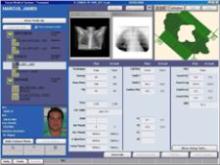
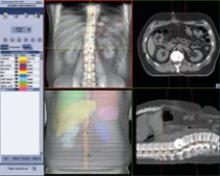
Just like the Intel chips that power PCs (and now finally Apple Macintoshes, too!), treatment planning software represents the engine that drives accuracy and effective functionality in radiation oncology equipment used to fight cancer. Consequently, it’s nearly impossible to dismiss the software’s importance and impact on cancer treatment delivery.


Subscribe Now