November 25 — Carestream showed the latest enhancements to its Vue RIS including the storage and tracking of radiation dose information at the Radiological Society of North America (RSNA) tradeshow.

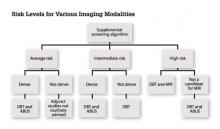
A new statement to help physicians inform women on how breast density affects breast cancer screening and cancer risk has been issued by the American Society of Breast Disease.

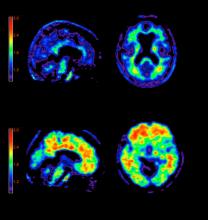
In a skeptical world, old maxims fall hard. Photojournalists can attest to that. Seeing today is anything but believing. Not seeing has fallen just as hard. We’d like to know that we can relax when we don’t see signs of cancer’s return. Positron emission tomography/computed tomography (PET/CT) provides that kind of relief in many cases…but not all.

Although it has become the gold standard in oncology diagnosis and monitoring, PET/CT falls short in some cases. And, in those cases, its use can create a false sense of security.

S.M.A.R.T. Control Vascular Stent


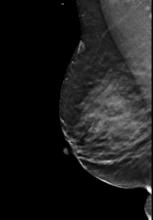
Since the implementation of routine screening mammography, we have seen a 30 percent reduction in breast cancer mortality. Despite these results, mammography remains at the center of controversy, with seemingly conflicting studies on its effectiveness published on a regular basis.  


“If I lived in a community without 3D mammography, I would strongly advocate my family go to a community offering the 3D exam,” states David Siepmann, M.D., radiologist at Willamette Valley Medical Center. A community hospital located 35 miles south of Portland, Ore., Willamette Valley Medical Center was the first breast center in the state to offer 3D mammography. In the first year, the hospital saw a 21 percent decrease in the overall recall rate and found a number of cancers it might have missed with conventional 2D mammography.


With 2013 on the horizon, ITN looks to see what issues and trends are likely to be prominent for medical imaging in the coming months. Industry experts from several professional societies and organizations gave their input about topics that will be at the forefront in 2013 and their expected impact across major industry segments.


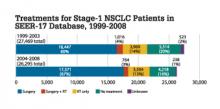
In a comparison of patients with Stage-1 non-small cell lung cancer (NSCLC) during the period 1999-2008, those in the last four years of that period who received radiation therapy had a median survival rate of 21 months, which was markedly better than the 16-month rate among similar patients in the first four years. These study results were presented by lead author Nirav S. Kapadia, M.D., chief resident, department of radiation oncology, University of Michigan Medical School, during the 2012 Chicago Multidisciplinary Symposium in Thoracic Oncology. 


Subscribe Now