Getty Images
June 12, 2023 — Cancer that spreads to the brain from another part of the body such as lung or breast is called a metastatic brain tumor. As metastatic brain tumors grow, they can cause symptoms such as headaches, seizures and weakness or balance issues. In some patients, surgery and stereotactic radiosurgery (SRS) can help alleviate these symptoms in patients who have a limited number of tumors.
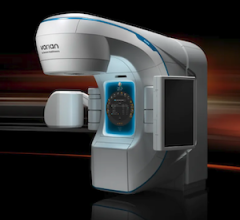
Despite what its name implies, SRS isn’t actually a surgery but instead involves highly focused radiation that targets tumors while minimizing the effects on surrounding healthy tissue. The treatment is often used after a patient undergoes surgery to remove brain tumors in a process called postoperative SRS. However, SRS can also be given before surgery, which is called preoperative SRS.
In a new study from Wake Forest University School of Medicine and Atrium Health Levine Cancer Institute, researchers highlight improved outcomes for patients treated with preoperative SRS, particularly in rates of tumor recurrence, adverse radiation effects and spread of tumor cells to the fluid outside of the brain, which is called meningeal disease.
The study findings appear online today in JAMA Oncology.
“Postoperative SRS is currently the standard of care in these patients, but there is a growing body of research that shows preoperative SRS has advantages,” said Roshan Prabhu, M.D., a radiation oncologist at Atrium Health Levine Cancer Institute, in Charlotte, North Carolina, and an adjunct associate professor of radiation oncology at Wake Forest University School of Medicine.
According to Prabhu, who is the lead corresponding author of the study, there are multiple reasons why preoperative SRS may be better than postoperative SRS. In preoperative SRS, the tumor is intact, so providers can more precisely see the area that needs treatment.
“We’ve also conducted research that shows there’s a higher risk of tumor cells spreading to the fluid around the brain when surgery occurs first,” Prabhu said. “Preoperative SRS can help minimize that risk.”
In the study, researchers compiled data from a multicenter and international cohort of 404 patients who underwent preoperative SRS and surgical resection of brain metastases.
To analyze preoperative SRS outcomes, researchers looked at cavity local recurrence, adverse radiation effects and meningeal disease, which occurs when the cancer spreads to nearby fluid and can grow on the surface of the brain. Adverse radiation effects include swelling, inflammation and radiation necrosis, a condition in which there isn’t enough blood supply to tissues and can result in long-term swelling.
The two-year cavity local recurrence rate was 13.7%. The two-year meningeal disease rate was 5.8%, and the two-year symptomatic adverse radiation effect rate was 5%.
While this study did not directly compare outcomes with patients treated with postoperative SRS, recent studies show postoperative SRS cavity recurrence rates to be 22% to 39%, meningeal disease rates to be 16% to 21%, and adverse radiation effects rates to be 7% to 18%.
Additionally, novel risk factors for these outcomes after treatment with preoperative SRS were described, such as extent of resection, tumor type, number of preoperative SRS fractions used and type of surgery.
“We found negative outcomes to be notably low with preoperative SRS, especially when compared to what is expected after postoperative SRS,” Prabhu said. “By simply changing the sequencing of treatment, it can potentially improve outcomes and increase survival.”
These data served as the basis for a national phase 3 randomized clinical trial comparing preoperative SRS to postoperative SRS, which is currently enrolling patients at multiple sites including Atrium Health Levine Cancer Institute.
Atrium Health Levine Cancer Institute and Atrium Health Wake Forest Baptist's National Cancer Institute-designated Comprehensive Cancer Center are part of Atrium Health’s combined cancer program, and Wake Forest University School of Medicine is the academic core of Advocate Health, of which Atrium Health is part.
For more information: https://www.wakehealth.edu/
Related content:
Stereotactic Radiosurgery in Brain Metastases
Burst of Radiation and Vesicles-based Immunotherapy Suppress Brain Cancer Growth
New PET Radiotracer Proven Safe in Imaging Malignant Brain Tumors
Focused Ultrasound Shows Promise Against Deadliest Brain Tumor
 October 07, 2026