October 23, 2018 — Whole-brain radiotherapy can be delivered more safely to patients with brain metastases by avoiding the hippocampus, according to a randomized phase III NRG Oncology trial. Trial results were presented at the American Society for Radiation Oncology (ASTRO) annual meeting, Oct. 21-24 in San Antonio, Texas.
To study the hypothesis that radiation to the hippocampal stem cells plays a role in cognitive decline, 518 patients were randomized to whole-brain radiotherapy plus memantine with or without hippocampal avoidance. The results of the clinical trial found a 26 percent relative reduction in risk of cognitive toxicity following whole-brain radiation therapy with hippocampal avoidance versus whole brain radiotherapy. The cognitive function benefit of hippocampal avoidance did not differ by age.
“This study demonstrates that we can deliver whole brain radiotherapy with similar cognitive outcomes as radiosurgery,” said lead author and co-principal investigator of the phase III trial Vinai Gondi, M.D., director of research at the Northwestern Medicine Chicago Proton Center and co-director of the Brain Tumor Center at Northwestern Medicine Cancer Center Warrenville. “These trial results revolutionize our understanding of the cognitive effects of brain irradiation in a manner that has far-reaching implications in terms of the safer radiotherapy treatment of primary or metastatic brain tumors.”
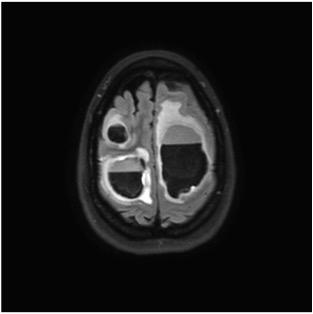
Brain metastases, cancer cells that have spread to the brain from primary tumors in other organs, is one of the most common cancer conditions managed by radiation oncologists. Due to concerns about cognitive decline, whole-brain radiotherapy is currently often the last resort, even though it is one of the most effective treatments for brain metastases.
“This hippocampal-sparing approach reduces both the risk of growth of new brain metastases and the risk of cognitive decline, and no prior study has ever demonstrated this dual effect,” added Walter J. Curran, M.D., executive director of the Winship Cancer Institute at Emory University and an NRG Oncology Group Chair.
By establishing that the hippocampal region is sensitive to radiation, treatment plans for brain metastases or other brain tumors can employ advanced techniques such as intensity-modulated radiation therapy (IMRT) or proton therapy to reduce dose to the hippocampus and offer brain therapy with less toxicity.
“Our phase III trial not only provides evidence for practice-change in the management of brain metastases, but also builds upon decades of preclinical and clinical research to definitely establish the hippocampus as a radiosensitive and cognition-specific organ at risk during brain irradiation,” said Gondi.
Read more about the Late-breaking Radiation Therapy Clinical Trials at ASTRO 2018.
For more information: www.astro.org
 October 07, 2026