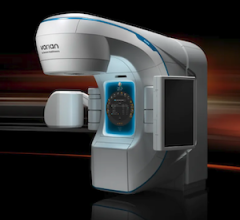
Oct. 1, 2026 — At ASTRO 2026 Elekta highlighted new data showing unprecedented long-term survival outcomes for patients with localized pancreatic cancer treated with high-dose, adaptive radiotherapy on Elekta Unity MR-Linac. The study, conducted at Memorial Sloan Kettering Cancer Center in New York, U.S., followed patients who were not eligible for surgical resection, a group with a historically dismal prognosis.
Pancreatic cancer is difficult to treat, and many patients with localized disease cannot undergo surgery. For these patients, radiotherapy can be an important option, but treatment requires a high level of precision because the tumor may be close to healthy organs that shift between treatment sessions. Elekta Unity is designed to give care teams detailed MR imaging at the time of treatment, helping them adjust delivery based on the patient’s anatomy that day.
The study included 123 patients treated with MR-guided adaptive radiotherapy between May 2020 and December 2024 using Elekta Unity. Patients received treatment in five sessions over two weeks, with daily online adaptation used to help tailor treatment to the patient’s anatomy at each session.
After a median follow-up of just over two years, the study reported overall survival rates of 37.4 percent at two years and 26.3 percent at three years from radiotherapy. Local tumor control remained high, with 76.8 percent of patients free from local progression at both two and three years. These results are highly encouraging given the historically poor prognosis of localized pancreatic cancer.
“For patients with localized pancreatic cancer who are not candidates for surgery, while systemic treatment options are expanding, there is no option for long-term survival or cure with those treatments alone and the clinical need is significant. This is where ablative radiotherapy plays a major role” says Marsha Reyngold, MD, Memorial Sloan Kettering Cancer Center, and first author of the study. "Our approach using Elekta Unity to deliver high-dose ablative radiotherapy was associated with durable local control and very promising long-term survival outcomes, supporting further evaluation of this approach."
Ongoing Radiotherapy Evaluation
The research adds to ongoing evaluation of high-dose adaptive radiotherapy for selected patients with localized pancreatic cancer. It also points to the importance of technology that can help deliver precise, personalized treatment, accounting for the tumor’s position, nearby organs and the patient’s changing anatomy from day to day.
The findings come as Elekta continues to invest in Elekta Unity with Unity Pro, the next evolution of its MR-guided adaptive radiotherapy platform. Unity Pro is designed to help make adaptive radiotherapy faster, more practical and more accessible through AI-assisted contouring, GPU-accelerated planning and remote collaboration capabilities. Built to address the realities of modern clinical practice, Unity Pro simplifies workflow complexity, accelerates online adaptation and enables specialist expertise to join the workflow remotely when needed, helping more centers make daily adaptive radiotherapy practical for more patients.


 October 13, 2026