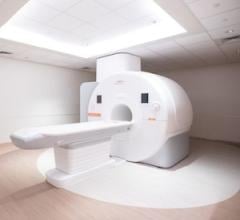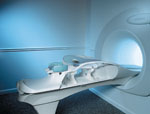
Editor's Note: This article is an introduction to the breast MRI comparison chart that ran in the July/August 2010 issue of Imaging Technology News. The chart can be found under the comparison chart page.
Over the last couple of years, there have been many developments in magnetic resonance imaging (MRI) for breast cancer, which is used for diagnosis, staging, pretreatment and preoperative planning. Recent studies have shown MRI is a valuable diagnostic tool in terms of its ability to detect lobular cancer, which is difficult to detect on mammography. By determining whether or not the tumor has penetrated the chest wall muscle, the technique more readily identifies lobular cancer lesions.
MRI’s higher sensitivity compared to mammography also has proved advantageous in detecting ductal carcinoma in situ (DCIS), particularly of the high-grade type. Locating all possible sites of cancer and accurate margin assessment is crucial in planning for surgery and treatment. While there have been concerns surrounding high false-positive rates when using breast MRI for diagnosis, clinical studies have demonstrated the value of breast MRI in optimizing treatment.
One such study, presented in 2008 by the University of Florida, determined MRI used for preoperative/pretreatment planning for breast cancer revealed important diagnostic information that changed the treatment plan about 20 percent of the time. In this study, 79 women who had localized noninvasive or early-stage invasive breast cancer and who were planning to have a lumpectomy, underwent MRI for preoperative evaluation. Within this group, MRI-guided biopsies revealed additional cancer about 40 percent of the time.
Ultimately, nearly 75 percent of the patients underwent the planned lumpectomy, while one-fourth had a total mastectomy. New developments in high-field 3.0 tesla (T) MRI for diagnostic breast imaging is also promising. According to a study by the University of Toledo Medical Center, Toledo, Ohio, 3.0T MRI detected a significant number of lesions not found on mammography or sonography. The study suggested there is an important role for 3.0T MRI in high-risk groups for an early diagnosis of breast cancer and better accuracy in evaluating the extent of disease — a crucial factor in appropriate therapy planning. Some of the obstacles affecting the quality of 3.0T MRI images are caused by dielectric shading effects and local specific absorption rates (SAR). SAR ratings reflect the potential for heating biological tissue as the pulsed radiofrequency (RF) energy, which is required to elicit magnetic resonance (MR) signals, is absorbed.
While a fundamental element in the creation of every MR image, it is notable that doubling the magnetic field strength, even from 1.5T to 3.0T, quadruples the SAR. Manufacturers are addressing these issues with multiple RF transmission signals that automatically adapt to each patient’s unique anatomy. As high-field strength MRI systems become increasingly available in the clinical setting and more frequently used for the evaluation of breast malignancy, 3.0T MRI also will become an important addition to mammography and sonography.
Source: Frost and Sullivan. “North American Magnetic Resonance Imaging Scanners Market.” 2008.
MRI Competitive Overview
Frost and Sullivan measured market shares based on estimated revenues earned in 2008. As such, Siemens Healthcare dominated the total magnetic resonance imaging (MRI) market that year with 40.1 percent of total market share, followed by GE Healthcare and Philips Healthcare with 25.5 percent and 18.9 percent, respectively. Overall, the top three participants captured an estimated 84.5 percent of the total market.
Going forward, the leading market participants are expected to focus on the faster-growing technology segments, such as breast MRI, and to invest considerable resources into further developing their business in these segments.
Strong growth in breast MRI has attracted computer-aided detection (CAD) software vendors to pursue these hot topics, suggesting that new clinical value, and therefore greater utilization, can be achieved with these adjunctive technologies.
3.0 tesla (T) also has emerged as a challenging issue for end-users. Manufacturers report high levels of hand-holding have been needed to assist end-users in identifying the full potential of 3.0T in terms of clinical possibilities and utilization. This current bottleneck may slow overall growth in 3.0T’s early adoption years, as unit shipment estimates have 3.0T comprising 23.3 percent of total units.
As the market reaches maturity, vendors with the largest installed base and flexible pricing strategies will be best positioned for growth within the market.

 October 07, 2026