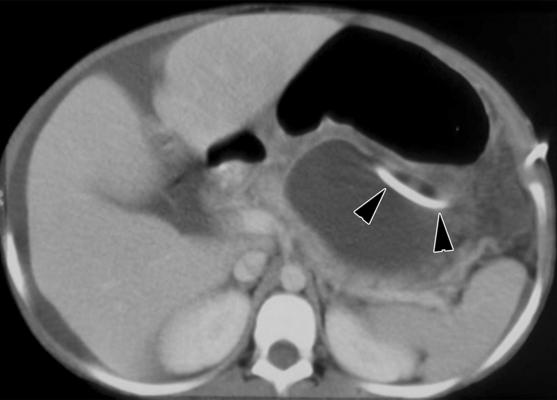
August 11, 2011— Computed tomography (CT) scans performed in the emergency department, which increased 330 percent between 1996 and 2007, may be reducing the frequency of hospitalization or transfer for emergency patients, according to a study published online in Annals of Emergency Medicine. The accompanying editorial notes that the reduction in hospitalizations is a beneficial result for both patients and the healthcare system (“National Trends in Use of Computed Tomography in the Emergency Department” and “The Hunting of the Snark”).
“Almost one-quarter of CT scans performed in the U.S. are performed in ERs, in part because primary care and other physicians refer their patients there for these studies and also because we are increasingly being asked to do all the initial tests for patients in the ER before a patient is admitted to the hospital,” said lead study author Keith Kocher, M.D., MPH, of the University of Michigan in Ann Arbor. “We saw a more dramatic rise in CT use among older patients. But we also saw an associated decline in post-CT hospitalizations.”
Assessing emergency department visits from 1996 to 2007, researchers found an increase of CT use from 3.2 percent of patient visits to 13.9 percent. Rates of growth were highest for abdominal pain, flank pain, chest pain and shortness of breath, all of which can be symptoms of life-threatening emergencies.
In 1996, the rate of hospitalization following CT scan was 26 percent. By the end of the study period, 2007, that rate had dropped by more than half to 12.1 percent. Researchers found a similar pattern of declining risk of admission or transfer to intensive care units during the period.
In an editorial accompanying the study, Robert Wears, M.D., MS of the University of Florida Health Science Center offered “the desire for greater certainty” among emergency physicians as one reason for the increase, particularly in light of the high-risk environment of the emergency department and the potential for litigation by patients with bad outcomes.
“The occasional ‘near miss,’ where one manages a patient without imaging, only to discover later that they had CT-detectable pathology of some sort that could have been detected sooner reinforces the desire for greater certainty,” said Wears.
CT scans are powerful and provide a lot of information quickly that can be especially useful in the emergency department, where patients are often very sick and time is critical. CT scans allow doctors to arrive at a diagnosis quickly.
A 2010 study showed that patients with abdominal pain express more confidence in their medical treatment if it includes a CT scan. Kocher suggests that patients and families ask if a CT scan is necessary, given some of the risks related to radiation exposure from these tests:
“Patients or their family members sometimes want – or even expect – these advanced tests to be done, so emergency physicians may be more likely to order them,” said Kocher. “I encourage patients and their families to ask the provider if they think the scan is really necessary. This allows open discussion about the necessity of the test and the patient’s or family’s expectations, and allows patients to be more involved in decision-making around their care.”
Annals of Emergency Medicine is the peer-reviewed scientific journal for the American College of Emergency Physicians (ACEP), a national medical society. ACEP is committed to advancing emergency care through continuing education, research, and public education. Headquartered in Dallas, Texas, ACEP has 53 chapters representing each state, as well as Puerto Rico and the District of Columbia. A Government Services Chapter represents emergency physicians employed by military branches and other government agencies.
For more information: www.acep.org

 October 07, 2026