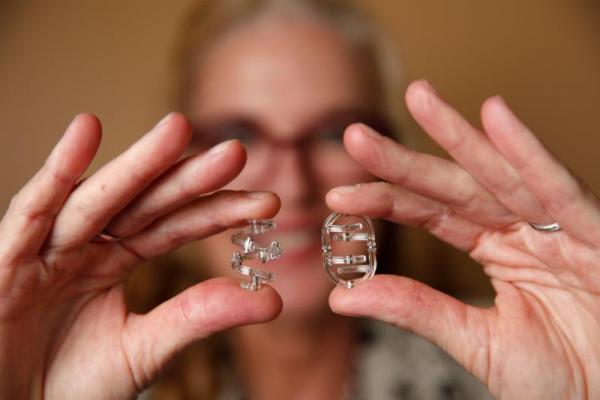
October 11, 2017 — In 2017, invasive breast cancer will be diagnosed in about 252,710 women and 2,470 men in the U.S. and remains the second leading cause of death in women, according to the American Cancer Society. Advances in technology continue to become available to aid in the fight against breast cancer which can improve the chances of beating the disease. David Weintritt, M.D., founder of the National Breast Center and National Breast Center Foundation, recently identified the top three technologies impacting the future of breast cancer treatment to improve outcomes for women diagnosed with the disease.
1. BioZorb, created by Focal Therapeutics, is a three-dimensional implantable device used in women with breast cancer undergoing breast conserving surgery or lumpectomy. It provides a clear target for more precise radiation therapy, which lowers risk of cancer recurrence while often lowering the overall radiation dose as well. This device also allows surgeons to better reshape the breast providing cosmetic advantages as well. BioZorb allows surgeons to improve outcomes by reducing errors in radiation planning while maintaining a healthier, more natural appearance.
2. Mammaprint, made by Agendia, is a genomic test that analyzes the genetic code of breast cancer cells, giving a more accurate measurement of recurrence risk. Traditional methods used to determine the risk of cancer recurrence lead to many women with early-stage breast cancer receiving chemotherapy. The Mammaprint 70-Gene Assay is the only U.S. Food and Drug Administration (FDA)-cleared test that provides a personalized, definitive result so the patient can know with certainty if they are at low risk for cancer relapse – and not likely to benefit from chemotherapy. Unlike other tests, users are given definitive Low Risk and High Risk results, eliminating the uncertainty of an intermediate risk score. These results, in addition to all other factors help patients and their doctors make the most appropriate breast cancer treatment decisions.
3. SPY Portable Handheld Imager (SPY-PHI), manufactured by Novadaq and FDA-approved, utilizes SPY Fluorescence Imaging Technology that allows surgeons to visualize blood flow and related tissue perfusion in real time, reducing surgical complications and increasing reconstruction options for patients. This can be used during plastic, microsurgical, reconstructive and gastrointestinal procedures.
“Advances in technology for breast cancer are not always known to patients, so they may feel as though their options are limited,” said Weintritt. “It’s critical that patients are educated about their options so they can be informed, proactive and have the best outcomes possible. What we do know is that Washington, D.C., is leading the nation in both breast cancer incidence rates and breast cancer mortality rates, and currently the majority of women with breast cancer are not hearing about options that are proven useful in treating breast cancer. Its innovations such as these and commitment to using them to create a personalized treatment plan that can truly make a difference in the lives of breast cancer patients so it’s critical we spread the word.”
For more information: www.nationalbreastcenter.com
Related Women's Health Content
Research Finds Surgical Marker Helps Cut Cost of Breast Cancer Treatment

 October 19, 2026