Dec. 12. 2025 — A new study has found that an individualized approach to breast cancer screening that assesses patients’ risk, rather than annual mammograms, can lower the chance of more advanced cancers, while still safely match people to the amount of screening they need.
The results — which come from 46,000 U.S. women enrolled in the first phase of the WISDOM study — support shifting our approach to screening from one that is based on age alone, to one that starts with comprehensive risk assessment to determine each woman’s optimal screening schedule. University of California San Francisco (UCSF) was the coordinating center for this study.
“These findings should transform clinical guidelines for breast cancer screening and alter clinical practice,” said Laura J. Esserman, MD, MBA, director of the UCSF Breast Care Center. Essermanis the first author of the study, published Dec. 12 in JAMA and presented at the San Antonio Breast Cancer Symposium. “The personalized approach begins with risk assessment, incorporating genetic, biological and lifestyle factors, which can then guide effective prevention strategies.”
 Breast cancer is the most common cancer in women in the U.S. except for skin cancers. For decades, screening assumed all women have the same risk, and guidelines were based largely on age, despite strong evidence that individual risk varies widely.
WISDOM compared the standard annual mammogram with an approach based on individual risk. Women were stratified into four groups, based on their age, genetics, lifestyle, health history and breast density, using well validated risk models.
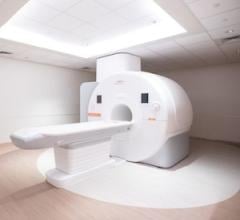
Those in the lowest risk category — 26% of the participants — were told not to screen until they reached age 50 or when an algorithm predicted their risk would meet the level of a 50-year-old. Those with average risk, who made up 62%, were told to screen every two years. Annual screening was recommended for the 8% of women with elevated risk. The 2% of women in the highest risk category received two screenings a year, alternating between mammography and MRI, regardless of their age.
Those with either elevated or highest risk got personalized recommendations for how to reduce their risk of getting breast cancer. This included an online tool to make breast health decisions and direct outreach from a breast health specialist. The recommendations included ways to improve diet and exercise, as well as considerations for risk-reducing medications.
This risk-based screening approach did not result in an increase in the frequency of higher stage cancers. Participants who did not want to be randomized could still enroll in an observational group, where they could choose their own screening approach. Of these participants, 89% chose risk-based screening, showing that it was preferred by women.
“Shifting resources from lower-risk women to higher-risk women is an efficient, effective approach to screening for and preventing breast cancer,” said co-author Jeffrey A. Tice, MD, a professor of Medicine at UCSF who develops and evaluates risk assessment tools for breast cancer.
Since its inception in 2016, WISDOM has enrolled more than 80,000 women. In recent years, researchers enrolled women as young as 30 to identify those who could be at risk of developing aggressive early cancers because of the pathogenic variants they carry.
Importantly, the study found that 30% of the women who tested positive for a genetic variant that increased their risk of breast cancer did not report a family history of breast cancer. Under current clinical guidelines, these people would not normally be offered genetic testing.
In addition to the more widely known pathogenic variants that increase risk for breast cancer — such as BRCA1 and BRCA2 — WISDOM also looked at other smaller changes in DNA that when taken together in a polygenic risk score can better predict risk. This made the prediction algorithm even more precise, shifting between 12% and 14% of the participants to a different level of risk.
“This is one of the first studies to offer genetic testing to all women, regardless of family history,” said co-author Allison S. Fiscalini, MPH, of UCSF, director of the Athena Breast Health Network and the WISDOM study. “When used as part of a comprehensive risk assessment, these results could have a real impact on improving the safety and effectiveness of screening and prevention.”
WISDOM is continuing to advance risk assessment through the WISDOM 2.0 study, which is now actively enrolling participants. The goal is to identify women at higher risk for developing more aggressive breast cancers, so they can be offered personalized screening and prevention options that may better support their long-term health.
Visit https://ucsfhealth.org for more information.
Co-Authors: From UCSF, authors include Laura J. van ‘t Veer, PhD; Maren T. Scheuner MD; Alexander D. Borowsky, MD; Amie M. Blanco, MD; Katherine S. Ross, MS; Barry S. Tong, MS; Diane Heditsian; Susie Brain; Vivian Lee; Kelly Blum, MS; Mi-Ok Kim, PhD; Leah P. Sabacan, MBA; Kirkpatrick B. Fergus, MD; Christina Yau, PhD; Celia Kaplan, DrPH; Suzanne Elder, CFNP; Kelly Adduci, MPH; Jeffrey B. Matthews, PhD; Robert A. Hiatt, MD, PhD; Elad Ziv, MD; and Jeffrey A. Tice, MD.
Other investigators are at UC Los Angeles; UC Irvine; UC San Diego; San Francisco VA Health Care System; Sanford Health in North Dakota; University of Chicago; Diagnostic Center of Miami; University of Alabama; Virginia Commonwealth University; Weill Cornell Medicine in New York; and the Karolinka Institutet in Stockholm.

 October 19, 2026