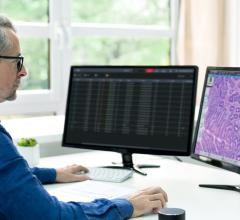
December 22, 2022 — Ibex Medical Analytics (Ibex), a leader in AI-powered cancer diagnostics, today announced the live deployment by the University of Pittsburgh Medical Center (UPMC) of Galen Prostate, an AI-based solution that supports pathologists during cancer diagnosis, at the UPMC network.
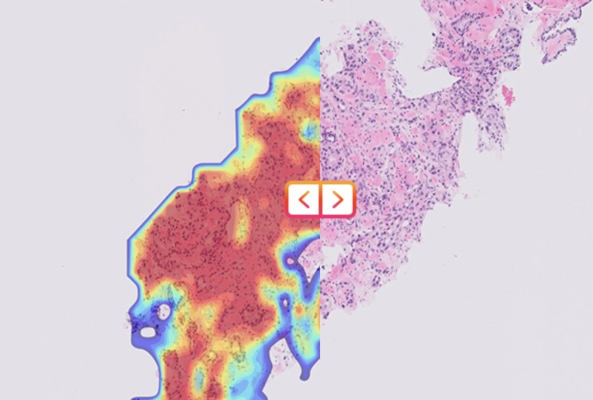
The Galen suite of solutions from Ibex is used in routine clinical practice at laboratories, hospitals and health systems worldwide. Prostate biopsies at UPMC are now digitized and analyzed by Galen Prostate's AI algorithm ahead of pathologists' review, providing them with multiple diagnostic insights and decision support tools that can help improve the quality of cancer diagnosis and reduce turnaround time.
Joseph Mossel, Co-Founder and Chief Executive Officer at Ibex Medical Analytics said, "We are investing heavily to bring our AI-powered digital pathology solutions to the U.S. market and are proud to see UPMC's ongoing leadership. Pathology serves as a cornerstone to medical care, requiring the provision of accurate and timely diagnosis for every patient to better guide treatment decisions and improve survival rates. As cancer incidences continue to rise at alarming rates, with prostate cancer occurring in 12 percent of men alone, we are eager to bring Galen Prostate to additional healthcare systems and laboratories, supporting pathologists with automated decision-support tools."
UPMC previously published their pioneering work with Galen Prostate in The Lancet Digital Health, demonstrating very high accuracy rates for Galen in prostate cancer detection as well as in the detection and assessment of other clinically relevant features such as Gleason grading, perineural invasion and tumor sizing. UPMC deployed Galen 3.0, Ibex's latest software release that incorporates the very latest evolution of Ibex's AI algorithms, improved user experience and Ibex's open API (Application Programming Interface). Galen's prostate algorithm was trained on enriched data sets that included rare prostatic malignancies and can calculate a Gleason score, tumor size and percentage for each cancer slide, which may help pathologists save review time and reduce subjectivity.
"Galen Prostate serves as a "digital assistant" for our pathologists, helping automate routine processes and providing augmented insights for each biopsy," said Rajiv Dhir, MD, MBA, Medical Director of Anatomic Pathology Services at UPMC. "We look forward to expanding the deployment of this technology across our network as we adopt digital workflows that enable our pathology departments to increase efficiency, optimize workflow and ensure the highest standard of care and long-term outcomes for cancer patients."
The Galen suite of solutions is the most widely deployed AI technology in pathology, supporting pathologists worldwide with augmented diagnostic capabilities during diagnosis of breast, prostate, and gastric biopsies. Improving the diagnostic accuracy, reducing turnaround time, boosting productivity and improving user experience for pathologists, Galen has demonstrated excellent outcomes across multiple clinical studies performed in different pathology labs and diagnostic workflows1,2,3,4,5.
For more information: https://ibex-ai.com/
References:
[1] Sandbank et al., Validation and real-world clinical application of an artificial intelligence algorithm for breast cancer detection in biopsies, npj Breast Cancer, December 2022
[2] Pantanowitz et al., An artificial intelligence algorithm for prostate cancer diagnosis in whole slide images of core needle biopsies: a blinded clinical validation and deployment study, THE LANCET Digital Health Aug 2020
[3] Comperat et al., Clinical Level AI-Based Solution for Primary Diagnosis and Reporting of Prostate Biopsies in Routine Use: A Prospective Reader Study, European Congress of Pathology 2021
[4] Raoux et al., Novel AI-Based Solution for Supporting Primary Diagnosis of Prostate Cancer Increases the Accuracy and Efficiency of Reporting in Clinical Routine, USCAP 2021
[5] Sandbank et al., Validation and Clinical Deployment of an AI-Based Solution for Detection of Gastric Adenocarcinoma and Helicobacter pylori in Gastric Biopsies, USCAP 2022

 October 13, 2026