February 10, 2011 – A study at Millard Fillmore Circle Gates Hospital in Buffalo, N.Y., found that Toshiba imaging equipment presented significant benefits, both for the patients and hospital.
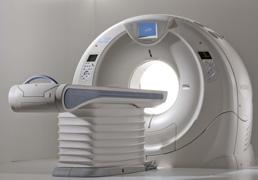
To quantify the results of utilizing the Aquilion ONE for acute stroke, the hospital conducted a non-controlled study to measure the impact of 320-detector row dynamic volume CT. It evaluated data from before and after the system’s installation and addressed the top three discharging ICD-9-CM codes.
Prior to installing the system, most patients were imaged using pre-MRI screening and X-ray imaging, limited brain MRI, MR perfusion and MRA of the head and neck. Utilizing the Aquilion ONE showed a significant shift in the diagnostic workup for acute stroke. The expanded use of CT during stroke diagnosis resulted in reduced healthcare costs and improved patient outcomes, as MR is more user-intensive and costly. Furthermore, the images produced by CT allowed patients to be moved more quickly into intervention.
“With stroke accounting for 1 in every 18 deaths in the U.S. and costing the healthcare system approximately $50 billion a year, advanced imaging technologies are allowing us to diagnose stroke more accurately and efficiently than ever before,” said Elad Levy, M.D., FACS, FAHA, professor of Neurosurgery, University at Buffalo Neurosurgery, and director of endovascular stroke service for the Gates Stroke Center. “The whole brain perfusion and digital angiography capabilities of the Aquilion ONE provide our clinicians with the information needed to evaluate the penumbra or the region impacted by the stroke, quickly and accurately.”
On average, patients who were scanned on the system had their hospital stay reduced by nearly half a day. Additionally, for just the three ICD-9-CM codes studied, Millard Fillmore achieved an estimated annualized savings of more than $750,000 by utilizing the system to diagnose acute stroke.
For more information: www.medical.toshiba.com

 October 07, 2026