June 6, 2013 — GE Healthcare has announced that all of its new computed tomography (CT) products meet the Medical Imaging and Technology Alliance (MITA) smart dose standard that raises the bar for CT dose management.
The MITA standard is made up of four key CT equipment features that enable optimization of radiation dose management without compromising the quality of images necessary for an accurate diagnosis – automatic exposure control, pediatric and adult reference protocols, dose check and digital imaging and communications in medicine (DICOM) dose structured reporting.
Below are some examples of GE Healthcare’s activity related to MITA’s standard:
- Pediatric and Adult Dose-optimized Protocols: Late 2012, GE announced an agreement with the University of Wisconsin School of Medicine and Public Health with the purpose of developing protocols to provide physicians with more tools to help optimize radiation dose, acquire clinically-useful images and potentially reduce the frequency of repeat CT scans. Clinical professionals at the UW School of Medicine and Public Health will develop a suite of protocols, which will be regularly updated and improved, and GE Healthcare will offer them along with our reference protocols, to better serve its customers.
- Dose Check and DICOM Dose Structured Reporting: GE’s commitment to its users extends beyond what it is shipping today. GE is making Dose Check and DICOM Dose Structured Reporting available to over 50 percent of the installed base of GE CT scanners through a no-charge update.
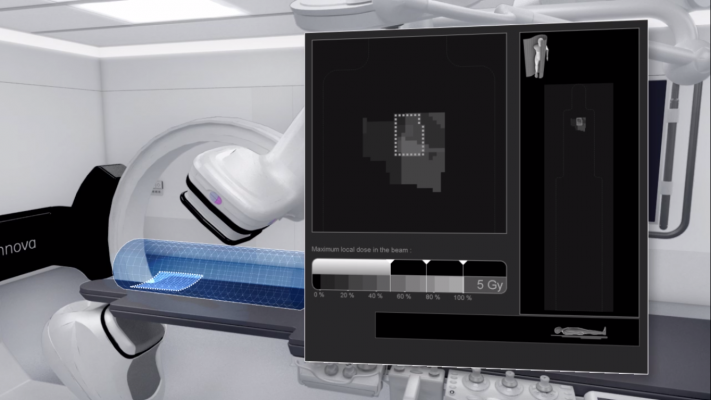
- GE Blueprint Benchmark: As part of GE’s Blueprint initiative, GE Healthcare supports healthcare providers’ goals of a comprehensive, programmatic approach to radiation dose management. The Blueprint Benchmark can help a healthcare provider understand the strengths and opportunities within its CT imaging program as compared to industry guidelines and best and better practices. Based on information provided by the healthcare provider, GE’s Low Dose Architects provide a report that can serve as a “blueprint” for the healthcare provider as it works to put in place the people, processes and technology to define and enhance their radiation dose management goals. DoseWatch, a multi-modality dose tracking and reporting tool, is a key element of this program.
For more information: www.gehealthcare.com

 October 07, 2026