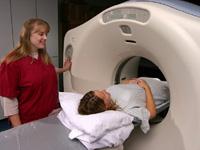
December 8, 2009 – The U.S. Food and Drug Administration (FDA) yesterday issued recommendations to lower radiation exposure during CT perfusion scans, after it discovered more cases of overexposure.
The FDA first issued a safety notification in October after learning of 206 patients who were exposed to excess radiation over an 18-month period at Cedars-Sinai Medical Center in Los Angeles. Since then, the FDA, working with state and local health authorities, has identified at least 50 additional patients who were exposed to excess radiation during their CT perfusion scans. These cases so far involve more than one manufacturer of CT scanners.
The FDA has also received reports from other states of possible excess radiation exposure during CT perfusion scans. Some of these patients reported hair loss or skin redness following their scans. The FDA said high doses of radiation can cause cataracts and increase the risk of some forms of cancer.
On the basis of its investigation, the FDA is providing interim recommendations for imaging facilities, radiologists, and radiologic technologists to take to prevent additional cases of excess exposure. The FDA said these recommendations apply to all CT perfusion images, including brain and heart, because they use similar procedures and protocols.
These recommendations include:
1. Facilities assess whether patients who underwent CT perfusion scans received excess radiation.
2. Facilities review their radiation dosing protocols for all CT perfusion studies to ensure that the correct dosing is planned for each study.
3. Facilities implement quality control procedures to ensure that dosing protocols are followed every time and the planned amount of radiation is administered.
4. Radiologic technologists check the CT scanner display panel before performing a study to make sure the amount of radiation to be delivered is at the appropriate level for the individual patient.
5. If more than one study is performed on a patient during one imaging session, practitioners should adjust the dose of radiation so it is appropriate for each study.
The FDA continues to work with manufacturers, professional organizations, and state and local public health authorities to investigate the scope and causes of these excess exposures.
The agency said it is also advising manufacturers to review their training for users, reassess information provided to healthcare facilities, and put into place new surveillance systems to identify problems quickly.
“The FDA is making progress in the investigation of this problem,” said Jeffrey Shuren, M.D., acting director of the FDA’s Center for Devices and Radiological Health. “While we do not know yet the full scope of the concern, facilities should take reasonable steps to double-check their approach to CT perfusion studies and take special care with these imaging tests.”
For more information: www.fda.gov/Safety/MedWatch

 October 07, 2026