November 18, 2011 – Stroke remains a major healthcare problem; it currently ranks as the third most common cause of death in Western nations, and this is only expected to increase as the population ages. For this reason, early identification of symptoms that are known predictors of stroke is a topic that was addressed with great deliberation and discussion at the 2011 VEITH symposium.
The existence of plaque in blood vessels has long been recognized as a major predictor of stroke. Because of this, it is important to have the best imaging options available to be able to fully understand the affects of plaque in the system, particularly in asymptomatic patients.
C.J. Zeebregts, M.D., Ph.D., professor of vascular surgery, department of surgery, division of vascular surgery, University Medical Center, Groningen, The Netherlands, presented important findings on advances imaging to predict risk factors of stroke associated in asymptomatic carotid plaque in patients.
“Despite great improvements in endovascular and surgical techniques to treat carotid stenosis, there is still a clinical need for improved diagnostic imaging in order to select the right patient for the right treatment,” stated Zeebregts.
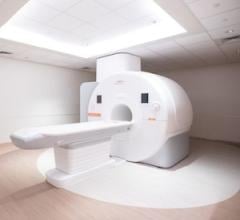
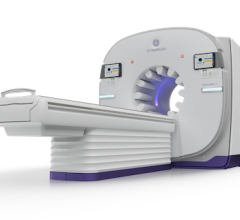
Of particular interest to Zeebregts is the use of positron emission tomography (PET) scans, a unique type of imaging that shows how the organs and tissues inside the body are actually functioning, to study the plaque in these patients. He discussed targeted clinical PET imaging tracers specific for plaque vulnerability.
In the past year, Zeebregts’ team has been working on new molecular imaging tracers to be used as a tool to identify vulnerable plaque formation with a new focus on targeted imaging. Their aim has been to find the tracer with the highest sensitivity and specificity able to determine the unstable plaque and thereby provide a powerful tool for selection of individual therapeutic strategies and monitoring the effect of interventions. The team has identified three important new tracers that may be able to fulfill this aim, and he presented these to a highly engaged audience during the VEITH symposium.
For more information: www.VEITHpress.org

 October 07, 2026