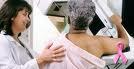
May 27, 2010 - Breast-conserving therapy is a viable treatment option for African-American women, although they tend to have more advanced breast cancer at diagnosis, according to a study available online, which will be in the July 15 issue of the journal Cancer. Researchers from Beaumont Hospitals, Royal Oak, Mich, reviewed the data of 699 women treated with breast conserving therapy (lumpectomy or partial mastectomy) at Beaumont from 1980 to 2003. They found that African-American women were younger and had larger, more aggressive tumors at the time of diagnosis. As a result, they more frequently required chemotherapy and lymph node irradiation as part of their treatment. "Breast cancer in African-American women demonstrates a very distinctive clinical behavior compared with breast cancer in Caucasian women," says Frank Vicini, M.D., chief of oncology services, Beaumont Hospitals, and the study's lead author. "Although the overall incidence of breast cancer in African-American women is lower than in Caucasian women, breast cancer mortality rates are generally higher." It's unclear whether these differences are related to disparities in socioeconomic status, access or use of advanced screening or treatment techniques, or biologic differences in the disease in African-American women. "However, despite having more advanced disease, our results confirm the safety and effectiveness of breast conserving therapy in African-American women," Vicini said. "Our results are important because data on most cancer therapies are not as complete in minority populations. These results should reassure African-American women that breast conservation works just as well for them as other women and should remain an equal option in appropriately selected women." Nearly half of the African-American women in the study were younger than 50 at diagnosis, compared with 26 percent of the Caucasian women; only 36 percent were diagnosed with stage I disease, compared with 61 percent of Caucasian women. Thirty-six percent had positive lymph nodes, of whom 18 percent had more than four, compared with 26 percent and 8 percent for Caucasian women. African-American women (26 percent) required more lymph node irradiation and systemic chemotherapy than Caucasian women (13 percent). Nearly 60 percent had chemotherapy, compared with 19 percent of Caucasian women. Treatment-related toxicities also were more severe, with more African-American women reporting breast pain, arm swelling, and a lower percentage of excellent or good cosmetic results. Beaumont comprehensive cancer program combines the expertise of Beaumont Hospitals with the knowledge and experience of physicians in the Beaumont Oncology Network, the largest group of oncology specialists in the state, to offer cancer prevention counseling, diagnosis and treatment in hospital and community-based settings. The Beaumont Cancer Institute is one of only 50 Community Clinical Oncology Programs in the country designated by the National Cancer Institute. For more information: www.beaumonthospitals.com
 October 09, 2026