

Dave Fornell is the editor of Diagnostic & Interventional Cardiology magazine and assistant editor for Imaging Technology News magazine.
Blog | September 03, 2014
Future Cardiovascular CT Advances to Watch
As technology continues to advance for all diagnostic imaging modalities, it sometimes reminds me of a race between vendors to build a better mouse trap. The main issue between cardiac echo, computed tomography (CT), magnetic resonance imaging (MRI), nuclear (SPECT and PET) and invasive angiography is that each has its strengths and weaknesses. When one test falls short, another is used to add diagnostic information, but it also adds time and cost. Unfortunately, in this era of cutting costs and bundled payments, the holy grail of medical imaging would be a one-stop shop cardiac imaging test that combines the majority of the key assets of each of these modalities.
I attended the Society of Cardiovascular Computed Tomography (SCCT) annual meeting in July, where both cardiologists and radiologists came together to make a case for why CT will become the primary cardiac imaging test in coming years. It showed CT radiation is declining and new technology can bring cardiac CT doses below 1 mSv, which is key to CT’s wider acceptance. Data from several trials demonstrate the viability of CT to accurately show myocardial perfusion and fractional flow reserve (FFR) data for the entire coronary tree from a single scan. Work is also continuing to improve plaque characterization software to bring it on par with invasive catheter-based virtual histology intravascular ultrasound (VH-IVUS) or spectrographic plaque analysis. Additionally, spectral CT imaging may enable a new way to image chemical makeup of tissue and allow new types of contrast media.
Speakers at SCCT discussed the use of gold nanoparticles with a polyethylene glycol (PEG) coating, or tantalum, as replacement agents for iodine blood imaging; bromide and fluorine with a phospholipid coating to image liver tumors; and iodine-loaded or bismuth nanoparticles with a biomarker to target fibrin to clearly image blood clots. Nanoparticles may also boost the ability of iodine as a contrast agent. By coating iodine inside liposome particles, the outer shell will protect the iodine from breaking down immediately, both extending its imaging half-life and possibly aiding renal clearance over a longer period of time to reduce contrast-induced nephropathy (CIN).
New types of contrast, especially if combined with spectral CT, may enable inflammation and macrophage imaging, both components of vulnerable plaque. If validated, this new way to image vulnerable plaques prior to rupture might offer a novel way to determine heart attack risk and possibly identify lesions to stent before a heart attack occurs.
Watch a video interview regarding these advances in cardiac CT.
Related Content

News | Information Technology
October 6, 2026 – Clearsense has introduced a cloud-based medical image archive designed to reduce the cost of ...
 October 07, 2026
News | Radiology Imaging
Aug. 13, 2026 — Epic's new Care Everywhere Diagnostic Image Exchange allows health systems using Epic to share ...
August 21, 2026 
News | Cardiac Imaging
Aug. 20, 2026 – The novel, radiopaque, polymer-based embolic coil from Embolization, Inc. has now surpassed 125 implants ...
August 20, 2026 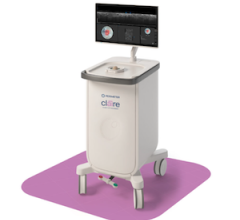
News | Breast Imaging
Aug. 13, 2026 – Perimeter Medical Imaging AI recently announced that Intermountain Health, the largest nonprofit health ...
August 14, 2026 
News | Lung Imaging
Aug. 11, 2026 — Noah Medical has launched the Galaxy II software, the next evolution of its robotic-assisted ...
August 10, 2026 
News | Radiology Business
Aug. 4, 2026 — Canon Medical Systems USA (CMSU) has appointed Tsuneo "Neo" Imai as president and chief executive officer ...
August 10, 2026 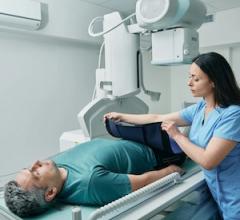
News | Radiology Imaging
June 15, 2026 — Lead Glass Pro, a supplier of radiation shielding products, has expanded its turnkey installation ...
June 18, 2026 
June 1, 2026 — Serac Healthcare Ltd. has presented Phase 2 data showing that SPECT-CT imaging with the radiotracer 99mTc ...
June 01, 2026 
News | Radiology Imaging
May 18, 2026 — DICO, a company specializing in the creation of distributed diagnostic infrastructure for radiology, has ...
May 19, 2026 
News | X-Ray
April 29, 2026 — Results from a new study* presented at the American Roentgen Ray Society’s (ARRS) 2026 annual meeting ...
April 29, 2026 © Copyright Wainscot Media. All Rights Reserved.

Subscribe Now