April 4, 2007 - Hospital infections are among the top ten leading causes of death in the United States, according to the Centers for Disease Control. There are countless stories about patients who go into hospitals with minor conditions and leave under much graver circumstances. As a patient, knowing the right questions to ask about how hospitals prevent infections is extremely important.

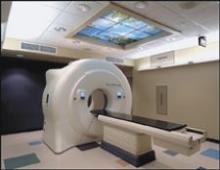
April 4, 2007 - Siemens Medical Solutions announced that it has leveraged user feedback to enhance the SOMATOM Emotion to produce reportedly detailed images with a slice thickness as small as 0.5 mm and with accelerated image reconstruction times, as part of Siemens� strategy to offer cost-effective access to a 16-slice CT system.

April 3, 2007 - Mayo Clinic researchers recently reported that freezing kidney tumors through percutaneous cryoablation may be able to help those who are not candidates for surgical treatment.

The percutaneous ablation process uses needles to penetrate the skin and delivers either high-intensity, tissue destroying heat through radiofrequency ablation, or freezing cold temperatures through cryoablation, directly to the tumor. The procedure shortens the hospital stay and reduces recovery time.

April 3, 2007 - Agfa HealthCare announced today that it is launching its hospital-wide clinical and administrative information system, ORBIS, displayed for the first time at the Healthcare Computing 2007 conference, in the United Kingdom.

April 3, 2007 - Draeger Medical Inc. announced FDA clearance for its new Infinity TeleSmart system featuring a compact device capable of monitoring ECG and SpO2. Infinity TeleSmart provides the performance of a full-size patient monitor, packaged in a compact patient-worn telemetry device for adult and pediatric patients. Built-in ACE (Arrhythmia Classification Expert) and pacer detection algorithms enhance ECG processing and reduce false alarms.

Infinity TeleSmart addresses three major challenges of telemetry monitoring:

April 3, 2007 - Anesthesia can be harmful to the developing brain, studies on animals suggest, raising concerns about potential risks in putting young children under for surgery.

FDA scientists stressed Thursday they have no evidence that anesthesia and sedation drugs, which have been commonly administered for decades, can cause brain damage in children.

But numerous animal studies find that a majority of the drugs typically used to knock out children before surgery do kill brain cells in young rats, mice and — preliminary results suggest — rhesus monkeys.

April 3, 2007 - Maquet Inc. has announced the FDA approval of two new products for its Servo-i platform, the MR-conditional option and the Neurally Adjusted Ventilator Assist (NAVA), a new mode of mechanical ventilation.

The MR Conditional option for the Servo-i series provides use of the ventilator in the MRI environment and is approved for 1.0, 1.5 and 3.0 Tesla MR units.

April 2, 2007 - MAQUET Critical Care has received FDA clearance for an upgrade of its SERVO-i Ventilator System for conditional use in the magnetic resonance (MR) environment. The SERVO-i ventilator is intended for treatment and monitoring of all patients —neonatal, pediatric and adults — who require mechanical ventilation.

The new SERVO-i MR environment option is capable of providing critically ill patients with advanced ventilatory care using the same machine wherever they are in the hospital — in the ICU, in the MR examination room and during transport to and from the MR room.

April 2, 2007 - Trumpf Medical Systems recently unveiled its newest surgical lights device, the iLED 3, which allows users to alter color temperature, providing optimal contrast and tissue differentiation.

The iLED 3 gives virtually shadow-free illumination, allowing for increased applications in surgicalcenters and catheter labs and contains three lighting modules, each housing more than 30 individual LEDs.

By Jon Brubaker, MD Buyline Clinical Analyst

CMS has issued a Reminder with the most recent MLN Matters Newsletter that Medicare provides coverage for eligible beneficiaries for a one-time ultrasound screening for abdominal aortic aneurysm (AAA) when referred as a part of the initial preventative physical examination (IPPE). CMS is seeking help to get this word out to new beneficiaries.

Subscribe Now