Siemens Healthcare has introduced the world’s first xSPECT system — combines the high sensitivity of single-photon emission computed tomography (SPECT) with the high specificity of computed tomography (CT), completely integrating the data from the two modalities, to generate high resolution and quantitative images. Meanwhile, Biograph mCT Flow is a new positron emission tomography/computed tomography (PET/CT) system that overcomes the limitations of conventional bed-based PET/CT with FlowMotion. This new technology moves the patient smoothly through the system’s gantry, while continuously acquiring PET data.
UltraSPECT announced the installation of its proprietary Wide Beam Reconstruction (WBR) software at nearly 10 healthcare facilities. The installations came as a result of the recent agreement between UltraSPECT and radiopharmaceutical provider PharmaLogic, under which PharmaLogic offers the WBR software as part of its patient-centered approach.

Sony Electronics’ Medical Systems Division announced new support offerings for radiology monitors to be highlighted at the Society of Imaging Informatics in Medicine (SIIM) annual meeting, June 6-9, 2013, in Dallas.

Intelerad Medical Systems announced three new offerings as part of their Nuage suite of cloud-based solutions. Amongst the new solutions is CloudComplete — a fully-featured, cloud-based version of their award-winning IntelePACS solution. Other solutions added to the suite include CloudStore, which enables imaging departments to move all long-term storage to the cloud; and CloudMirror, which offers the flexibility of an off-site hosted data replication service.

The Society of Nuclear Medicine and Molecular Imaging (SNMMI) says it applauds the Centers for Medicare and Medicaid Services (CMS) on the ruling issued on coverage for positron emission tomography (PET) procedures. Focusing on the National Oncologic PET Registry (NOPR), scan limitations and coverage for prostate cancer, the ruling will have a significant impact on patient care, according to the society.


Radiation oncology research received 197 grants, totaling only 1.6 percent ($85.5 million) of the $5.4 billion in cancer research funding from the National Institutes of Health (NIH) in Fiscal Year (FY) 2013, according to a study available online and in the June 1, 2013, print issue of the International Journal of Radiation Oncology • Biology • Physics (Red Journal), the official scientific journal of the American Society for Radiation Oncology (ASTRO).


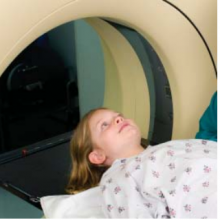
A study examining trends in X-ray computed tomography (CT) use in children in the United States has found that reducing unnecessary scans and lowering the doses for the highest-dose scans could lower the overall lifetime risk of future imaging-related cancers by 62 percent. The research by a UC Davis Health System scientist was published in JAMA Pediatrics. It is accompanied by a journal editorial.


Siemens Healthcare has introduced Biograph mCT Flow, a positron emission tomography/computed tomography (PET/CT) system that, for the first time ever, overcomes the limitations of conventional bed-based PET/CT with FlowMotion, a revolutionary new technology that moves the patient smoothly through the system’s gantry, while continuously acquiring PET data. Biograph mCT Flow with FlowMotion takes routine image quality to a new level by enabling imaging protocols based on the organ’s need.
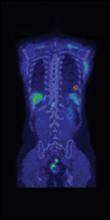

In an increasingly impersonal world, where Facebook counts the number of friends we have and texting takes the place of conversation, who would not want personalized medicine? 


The National Lung Screening Trial (NLST) was a National Cancer Institute sponsored trial that began in 2002. This randomized controlled trial examined more than 50,000 patients who were classified as being at high risk for the development of lung cancer — they had smoked at least 30 pack years (one pack per day for 30 years or two packs per day for 15 years); they were between 55 and 74; and they were either current smokers or former smokers who had quit within the past 15 years. The trial aimed to see whether screening with low-dose computed tomography (CT) improved outcomes over screening with chest radiography. It was halted early in October 2010 when a 20 percent mortality benefit was observed in the low-dose CT arm. 


Subscribe Now