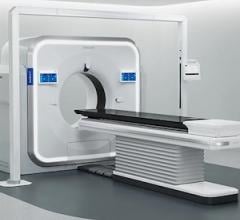
Photo: Getty Images
July 10, 2026 — A new study led by researchers at the Icahn School of Medicine at Mount Sinai found that although the overall number of radiation oncology clinics in the United States has appeared stable in recent years, many individual treatment centers have quietly closed while others have opened. The closures have disproportionately affected rural and freestanding practices, reducing access to lifesaving radiation therapy for patients to receive lifesaving cancer treatment close to home.
Published in the International Journal of Radiation Oncology, Biology, Physics (10.1016/j.ijrobp.2026.06.3090), the study is the first nationwide analysis to systematically track individual radiation oncology practice sites rather than physician groups or health care organizations. Researchers examined more than 3,000 treatment locations nationwide using national Centers for Medicare and Medicaid Services data collected between 2018 and 2025.
"Looking only at the total number of radiation oncology clinics gives the impression that access to care has remained stable," said senior author Kunal Sindhu, MD, Assistant Professor of Radiation Oncology at the Icahn School of Medicine. "But when we followed individual treatment sites over time, we found a much more dynamic picture. Clinics are disappearing, particularly in rural communities where patients often have few or no alternatives for receiving radiation therapy."
Radiation therapy is used to treat more than half of people diagnosed with cancer. Unlike many other cancer treatments, radiation therapy typically requires patients to travel to a treatment center five days each week for several weeks. When a nearby clinic closes, patients may face hours of travel each day and may delay or even skip treatment altogether.
The researchers found that freestanding radiation oncology practices were 56 percent more likely to close than hospital-affiliated sites, while practices in rural communities also faced a significantly greater risk of closing than those in urban areas. Although the total number of radiation oncology clinics nationwide has remained relatively stable, the study found that many individual treatment centers have opened and closed over time, masking important changes in patients’ access to radiation therapy.
As of 2025, more than two-thirds of U.S. counties — 68.5 percent, home to approximately 50.8 million people — had no radiation oncology practice site. These counties had higher poverty and uninsured rates, lower household incomes, and fewer primary care physicians than counties with local radiation therapy services.
Local Access to Radiation Therapy
The consequences of clinic closures differed depending on location. While patients in urban areas often still had access to nearby treatment centers, the loss of a single clinic in a rural community frequently left patients with little or no local access to radiation therapy, increasing the burden of traveling long distances for cancer treatment.
"Our findings suggest that where a patient lives can increasingly determine how easy or difficult it is to receive radiation therapy," Dr. Sindhu said. "Understanding which communities are most vulnerable can help policymakers and health systems develop strategies to preserve access before these gaps become even larger."
The investigators say the findings could help inform future policies designed to strengthen access to cancer care in underserved communities and improve reimbursement models that support vulnerable radiation oncology centers. They also hope future research will examine how clinic closures affect patient outcomes and whether policy changes can improve long-term stability.
The study was conducted by researchers from the Icahn School of Medicine and Maimonides Medical Center. Co-authors include Catherine Yu, MD; Sifan “Grace” Lu, MD; and Danielle Arons, MD, who are residents in the Department of Radiation Oncology at Mount Sinai, as well as Jared P. Rowley, MD, Attending Physician, Radiation Oncology, Maimonides Health.
The full study is available at www.redjournal.org/article/S0360-3016(26)03986-6/fulltext.
 October 09, 2026