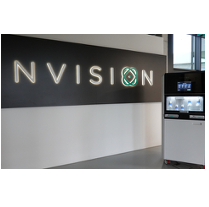
Dec. 9, 2025 — NVision Imaging Technologies, developer of quantum technology enabling imaging of cell metabolism through MRIs, announced that Memorial Sloan Kettering Cancer Center (MSK) is using its device, Polaris, in oncological preclinical studies. This marks the first use of NVision’s technology at a leading cancer research institution to monitor treatment efficacy in targeted therapies.
MSK will integrate Polaris into its MRI workflow across several preclinical studies, focusing on tumor areas such as pancreatic cancer, prostate cancer, breast cancer and brain tumors. Researchers will investigate the role of hyperpolarized metabolic MRI in both cancer diagnosis and treatment monitoring of drug and radiation therapies.
“Our partnership with Memorial Sloan Kettering Cancer Center has reached an important milestone as preclinical studies begin,” said Dr. Sella Brosh, CEO of NVision. “Cancer cells process sugar very differently from healthy tissue. Detecting and monitoring those metabolic shifts can completely change how we diagnose and treat cancer. The problem is that until now, metabolism has remained hidden in clinical practice because of technological limitations. With our quantum-based approach, Polaris is making cancer metabolism visible in ways never before possible — and opening the door to widespread use in the future.”
NVision Polaris boosts the MRI signal of sugars over 10,000x through a process known as hyperpolarization, making it possible for standard MRI systems to measure cell metabolism in real time. It is the first commercially available quantum-based polarizer, using parahydrogen-induced polarization (PHIP) to generate hyperpolarized sugars in under three minutes. Unlike standard anatomical MRI, which typically only shows structural changes, hyperpolarized metabolic MRI reveals shifts in tumor metabolism directly.
The ability to measure metabolic changes could allow for faster cancer diagnosis, more accurate staging, and show sooner whether a therapy is working or not. Preclinical studies in animal models suggest the treatment feedback cycle could be shortened from months to days, an important shift given the growing number of treatment options available to patients. In 2024, the United States Food and Drug Administration (FDA)’s Center for Drug Evaluation and Research (CDER) approved 16 novel drugs to treat various types of cancer. Another report notes that the global pipeline of medicines more than doubled from 2019 to 2024, with one-third targeting oncology.
“Ultimately, what’s most important is that our preclinical research has the potential for clinical translation in the near-term,” adds Dr. Kayvan Keshari, Fred Lebow Chair and Director of the Center for Molecular Imaging and Bioengineering at MSK. “The length of the cancer treatment cycle is often one of the largest pain points for patients. Right now, it can take weeks, or even months, to determine if a therapy is working. That’s valuable time. Every day is critical - especially if a change in treatment strategy is required. If clinicians could reduce that feedback cycle through understanding of cell metabolism, there is significant potential for better health outcomes and quality of life for cancer patients.”
NVision plans to deploy systems at other top cancer centers all over the world, with the goal of beginning clinical studies in 2026.
To learn more, visit NVision at nvision-imaging.com

 October 09, 2026