Getty Images
April 29, 2024 — Koneksa, a healthcare technology company pioneering evidence-based digital biomarkers, announced today the enrollment of the first patient in a pilot study collecting patient-generated health data (PGHD) during proton radiotherapy for lung cancer in collaboration with the New York Proton Center (NYPC), a leading institution in cancer care and research.
The study, led by principal investigator Nitin Ohri, M.D., a professor in Radiation Oncology at the Montefiore Einstein Comprehensive Cancer Center, aims to demonstrate the feasibility of PGHD collection during proton beam radiotherapy for lung cancer.
“This pilot study represents a critical step in leveraging digital health technology to enhance cancer treatment outcomes,” said John Wagner, M.D., Ph.D., Chief Medical Officer, Koneksa. “By combining NYPC's expertise in proton beam radiotherapy with Koneksa's advanced remote monitoring solutions, the results from this study will advance our understanding of how patient-generated health data can improve radiotherapy treatment protocols in lung cancer.”
“Remote monitoring technologies, such as those provided by Koneksa, offer a unique opportunity to gather real-time data on patient health and treatment outcomes outside of traditional clinical settings,” said Dr. Ohri. “By enabling the continuous digital monitoring of physical activity, vital signs, and other relevant metrics, Koneksa’s digital biomarkers platform can provide valuable insights into cancer patient well-being and treatment effects.”
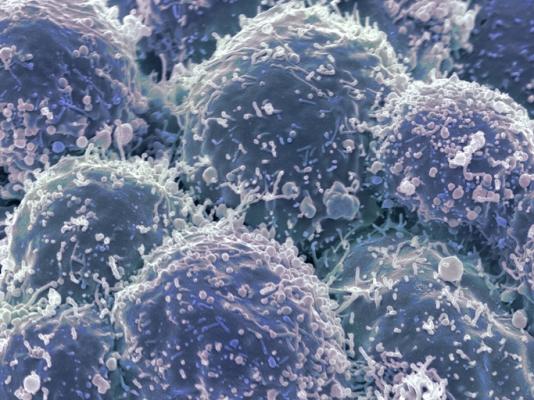
Lung cancer is the leading cause of cancer mortality in the United States and worldwide. Locally advanced non-small cell lung cancer (NSCLC) and small cell lung cancer (SCLC) are typically treated with definitive thoracic radiotherapy (RT), often in the form of concurrent chemoradiotherapy (CRT). Acute toxicities of RT/CRT for lung cancer commonly include fatigue, dermatitis, esophagitis, and respiratory symptoms. These adverse events often lead to hospitalizations and treatment interruptions that can reduce treatment efficacy.
For more information: www.koneksahealth.com

 October 16, 2026