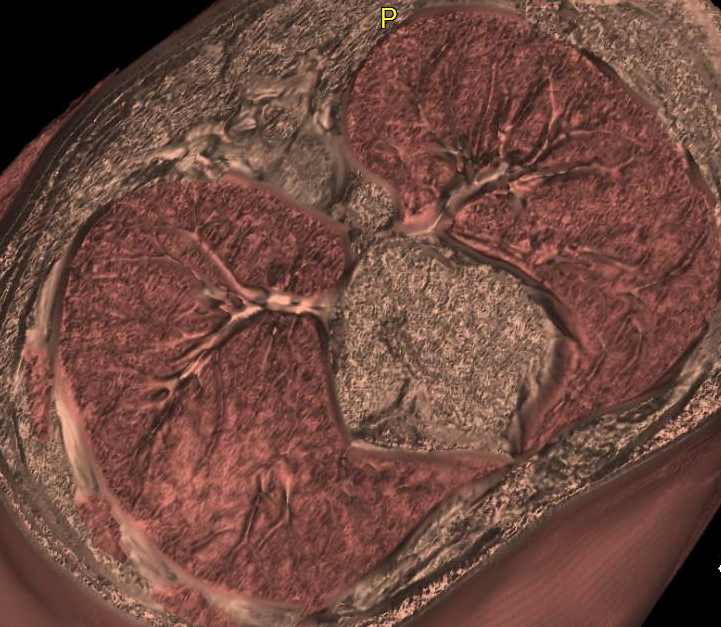
October 14, 2014 — An editorial published in the Journal of the American Medical Association (Woolf et al) this week suggesting against Medicare coverage of computed tomography (CT) screening in seniors at high risk for lung cancer ignores available evidence, relies on unsubstantiated or ambiguous claims, and fails to accurately portray the current state of CT lung cancer screening, according to the American College of Radiology and the Lung Cancer Alliance.
Ample evidence certainly exists to support Medicare coverage of these exams. The National Lung Screening Trial (NLST) showed that CT screening significantly reduced lung cancer deaths. Nearly a third of the participants in this largest lung cancer screening trial in history were ages 65 and older. A subsequent published analysis shows that these exams work as well in people age 65 and over as in those 50-64. Given that lung cancer kills 160,000 people each year – more than breast, colon, and prostate cancers combined – CT lung cancer screening can save more people than any single cancer test developed to date.
Time-tested breast cancer screening framework has been readily adapted to enable safe, effective, and appropriate lung cancer screening. An unprecedented coalition of medical, professional, and public health leaders have outlined to Medicare the infrastructure and quality assurance programs in place to help facilities carry out lung cancer screening and produce similar results to that accomplished in the NLST.
Two published studies have shown that CT lung cancer screening is cost effective in the Medicare population and the privately insured. Not only is the test at least as cost effective as other major cancer screening programs, it is also more cost effective than automobile seatbelts and airbags.
“Questions regarding CT lung cancer screening effectiveness, cost, and patient acceptance are answered. Obfuscation of current screening capabilities and the lifesaving benefit of these exams is not helpful and may ultimately cost lives. It is time for Medicare to move forward with full coverage for low-dose CT lung cancer screening,” said Ella Kazerooni, M.D., FACR, chair of the American College of Radiology Lung Cancer Screening Committee and American College of Radiology Thoracic Imaging Panel.
The United States Preventive Services Task Force (USPSTF) has recommended CT lung cancer screening of high-risk patients — mandating private insurance coverage under the Affordable Care Act effective Jan. 1, 2015. However, Medicare is not required to follow USPSTF recommendations. As it stands, while the privately insured would have ready access to this lifesaving test, seniors would be left with lesser access and therefore an increased risk of dying from lung cancer.
“Published evidence shows that claims of undue or lasting patient anxiety or harm from the CT lung cancer screening process are unfounded. Relevant patient advocates and cancer groups are overwhelmingly satisfied that the scientific evidence supports screening those at high risk for the disease. We are fully capable of balancing the benefits and risks and strongly urge Medicare to provide full coverage of these lifesaving exams,” said Laurie Fenton Ambrose, president and chief executive officer of the Lung Cancer Alliance.
For more information: www.acr.org; www.lungcanceralliance.org

 October 07, 2026