September 2, 2014 — The evidence standard the Centers for Medicare & Medicaid Services (CMS) used to approve Medicare coverage of a stool DNA colorectal cancer (CRC) screening test — under a new joint approval process with the U.S. Food and Drug Administration (FDA) — should be applied to computed tomography (CT) colonography (virtual colonoscopy) and other CRC screening exams, according to the American College of Radiology (ACR). In a new letter to CMS, ACR urged coverage criteria be transparent and consistently applied.
Studies show virtual colonoscopy detects colorectal cancer and precancerous polyps far better than the stool DNA test, is more cost effective and results in fewer ”false-positive” exams, which can reduce downstream costs and patient anxiety. CT colonography is recommended every five years while the DNA test would be done every three years. This less frequent testing may further lower costs and attract more people to be screened.
Studies in the New England Journal of Medicine and Radiology confirm CT colonography is comparably accurate to standard colonoscopy — including in those ages 65 and older. Studies at National Military Medical Centers in Bethesda, Maryland and in San Diego, show CT colonography availability significantly boosts colorectal cancer screening rates. CIGNA, UnitedHealthcare, Unicare, Anthem Blue Cross Blue Shield and other major insurers are already cover screening CT colonography. More than 20 states require coverage of CT colonography. Yet, Medicare does not cover beneficiaries for the exam.
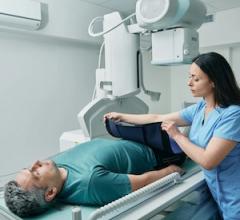
CT colonography is less invasive and costly than colonoscopy. Sedation is not required. Afterward, people can go back to their daily activities. Because CT colonography scans the entire abdomen, it can spot cancers and other serious illnesses in organs other than the colon, including abdominal aortic aneurysms. This can lead to early diagnosis and treatment of previously undetected problems.
For more information: www.acr.org

 October 07, 2026