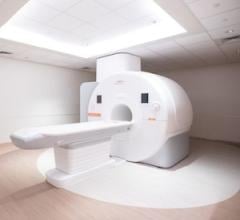
May 26, 2011 - With the deficiencies in knowledge of tuberculosis--as well as in the practices, programs and strategies used to combat the disease and co-infection with human immunodeficiency virus (HIV) – the spread of multidrug-resistant (MDR) tuberculosis poses a major problem for the health care community. Research in the June issue of The Journal of Nuclear Medicine, however, shows that the use of 18F-FDG positron emission tomography (PET) scans can help to determine earlier if treatment for tuberculosis is working or if the disease is MDR.
Tuberculosis and HIV have been linked since the AIDS epidemic began. Approximately 33.2 million people across the world are living with HIV, and an estimated one-third of them are co-infected with tuberculosis. In 2008, the number of MDR tuberculosis cases reached between 390,000-510,000, or 3.6 percent of all incident tuberculosis cases. MDR tuberculosis is very difficult to treat and is often fatal.
"Early detection of drug resistance of tuberculosis allows the initiation of an appropriate treatment, which may significantly affect patient survival. Currently, more than two-thirds of patients with MDR tuberculosis die," said Mike Sathekge, M.D., Ph.D., lead author of the study "Use of 18F-FDG PET to Predict Response to First-Line Tuberculostatics in HIV-Associated Tuberculosis."
In the prospective pilot study, 24 patients with tuberculosis underwent 18F-FDG PET scans prior to receiving tuberculosis treatment--the standard triad: isoniazid, rifampicin and ethambutol. After four months of treatment, the patients received another 18F-FDG scan to measure averaged maximum standardized uptake value (SUVmax) – which measures glucose metabolic activity – derived from early and delayed imaging, percentage change in SUVmax and number of involved lymph node basins.
The researchers found that SUVmax of involved lymph nodes, number of involved lymph node basins and C-reactive protein levels assessed by the PET scan were significantly higher in nonresponders than responders. It was determined that a cutoff of five or more lymph node basins allowed for a separation of treatment responders and nonresponders.
According to Sathekge, "18F-FDG PET has the potential to become a valuable clinical adjunct to the already available genotypic and phenotypic tests in patients for whom such tests are not feasible, are inconclusive or are too lengthy to be of clinical relevance."
For more information: www.nm.snmjournals.org

 October 07, 2026