June 3, 2010 – A joint research agreement will explore the targeted delivery of experimental therapeutics based on ribonucleic acid (RNA) interference (RNAi). Philips Healthcare and RXi Pharmaceuticals Corp. say imaging compounds based on RNAi represent a promising new class of drugs for the targeted treatment of a number of diseases including cancer and cardiovascular disease.
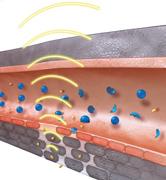
Currently, one of the greatest challenges in developing RNAi-based therapeutics is finding ways to deliver them to their target while keeping them fully active. The joint research program between Philips and RXi will address this challenge by exploring, in preclinical studies, the possibility of using RXi’s sd-rxRNA (self-delivering rxRNA) in conjunction with Philips’ ultrasound technology to achieve the targeted delivery and monitoring of RNAi-based compounds in cells.
“As part of Philips’ holistic care cycle approach to patient care, we are constantly exploring novel concepts for the diagnosis, treatment and follow-up of diseases. Our decision to jointly research RNAi-based therapies with RXi is driven by our belief that patient care will ultimately benefit from the combination of novel drugs and advanced medical imaging technologies,” said Henk van Houten, senior vice president of Philips Research and head of the health care research program. “The development of ultrasound techniques that could noninvasively trigger the delivery of new drug formats such as RNAi therapeutics at a targeted location opens up exciting possibilities for advancing personalized medicine.”
"The most important technological challenges that need to be addressed in order to realize the promise of RNAi-based approaches to treating various human disorders are efficient and safe delivery of the RNAi compounds to the targeted organs, and uptake of these compounds by relevant cells,” said Noah D. Beerman, President and CEO at RXi. “By combining RXi’s proprietary sd-rxRNA molecules, which have unique properties of ‘self delivery’, and Philips’ ultrasound technologies, we will be working together to achieve targeted and specific delivery to relevant organs and tissues, which could potentially boost the efficacy of RNAi-based disease treatments.”
Diseases, as well as their potential cures, are associated with specific processes at a cellular and molecular level. RNAi technology is a breakthrough in understanding how genes are turned on and off and represents a new approach to drug development. Therapeutics that leverage this breakthrough technology can potentially target the cause of specific diseases by silencing harmful genes and preventing disease-causing proteins being produced.
To realize this potential, it is important to first optimize RNAi compounds in a way that confers them with the required drug properties and second to enhance their delivery to cells that express these harmful genes. RXi’s proprietary rxRNA molecules are chemically modified to provide them with important properties such as stability in biological fluids, low stimulatory effect on the immune system and high target specificity. Philips’ image-guided, ultrasound-mediated drug delivery platform offers researchers a unique approach to investigating the delivery of various therapeutic molecules across blood vessel barriers and facilitating their uptake in cells. It capitalizes upon Philips’ existing expertise in medical imaging technologies for diagnosis, therapy planning and minimally-invasive medical procedures.
Each company will contribute proprietary technologies, resources and expertise to test novel approaches for the targeted delivery of RXi’s sd-rxRNA.
For more information: www.philips.com, www.rxipharma.com

 October 07, 2026