September 28, 2010 — In one of the first studies to focus exclusively on the outcomes after treatment for patients with high-risk prostate cancer, researchers have found that surgery provides high survival rates. Collaborating researchers at Mayo Clinic and Fox Chase Cancer Center in Philadelphia discovered that patients with the most aggressive forms of prostate cancer who had radical prostatectomy procedures had a 10-year cancer-specific survival rate of 92 percent and an overall survival rate of 77 percent.
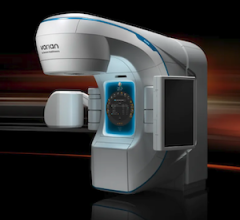
The cancer-specific survival rate for patients who had radiation therapy alone was 88 percent and the overall survival rate was 52 percent. The findings were presented at the North Central Section of the American Urological Association’s 84th annual meeting, held in Chicago.
Of the 1,847 patients with aggressive prostate cancer (as defined by the National Comprehensive Cancer Network) included in the study from 1988 to 2004, 1,238 underwent surgery at Mayo Clinic and 609 were treated with radiation therapy at Fox Chase Cancer Center. Of the 609 receiving radiation therapy, 344 also received androgen deprivation therapy.
Researchers analyzed their cancer-specific and overall survival rates. The cancer-specific survival rate was equal for those who had surgery and those treated with radiation plus hormone therapy (92 percent). However, the overall survival rate was significantly better for those who had the surgery (77 percent) than those who had radiation plus hormones (67 percent) or those who had radiation alone (52 percent).
“Patients with radiation and hormone therapy were 50 percent more likely to die than patients who had surgery,” says Stephen Boorjian, M.D., a Mayo Clinic urologist. “This was true even after controlling for patient age, comorbidities and features of the tumors. These results suggest that use of hormone therapy in patients who received radiation therapy may have had adverse health consequences.”
Funding for the study was provided by the National Cancer Institute. Collaborators include R. Jeffrey Karnes, M.D.; Laureano Rangel; Eric Bergstralh, Ph.D., and Michael Blute, M.D., all of Mayo Clinic; and Rosalia Viterbo, M.D.; Eric Horwitz, M.D., and Mark Buyyounouski, M.D., all of Fox Chase Cancer Center.
For more information: mayoclinic.org

 October 19, 2026