July 22, 2016 — Radiologists who graduated from medical school after 1940 do not face an increased risk of dying from radiation-related causes like cancer, according to a new study appearing online in the journal Radiology. Researchers said the findings point to the success of efforts to reduce occupational radiation doses over the past several decades.
Studies of mortality among radiologists are important for evaluating radiation protection measures and understanding the long-term effects of protracted exposure to low-level radiation. Previous U.S. studies have been limited by smaller datasets and reflect only earlier time periods. In the United States, the last follow-up of radiologists ended in 1975, leaving a large gap in understanding the risks today.
Study leader Amy Berrington de González, D.Phil., chief of the Radiation Epidemiology Branch at the National Cancer Institute (NCI), in Bethesda, Md., and her colleagues based the new study on records from the American Medical Association (AMA) Physician Masterfile, a database established in 1906 that has grown to include current and historical data for more than 1.4 million physicians, residents and medical students in the United States.
They compared cancer incidence and mortality rates between 43,763 radiologists and 64,990 psychiatrists who graduated from medical school between 1916 and 2006. Psychiatrists were chosen as a comparison group because they are unlikely to have had occupational radiation exposure.
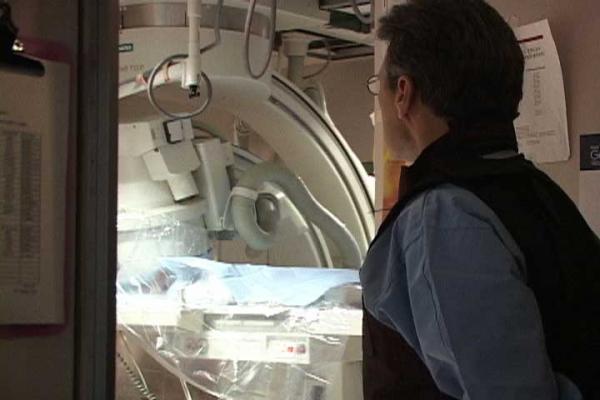
"There's been a big change in practice over the past few decades, with more doctors performing fluoroscopically-guided procedures, making it more and more difficult to find a physician comparison group that did not have exposure to radiation," noted Martha Linet, M.D., study co-author and senior investigator at the NCI Radiation Epidemiology Branch.
Overall, male radiologists who graduated after 1940 had a better health profile than that of their psychiatrist colleagues. The death rate for radiologists from all causes was lower and there was no evidence of increased mortality from radiation-related causes such as cancer or cardiovascular disease.
"Our most important finding is that radiologists have lower death rates from all causes of death combined, compared to psychiatrists, and had similar risks of cancer deaths overall," Linet said.
In contrast, radiologists who graduated before 1940 faced increased death rates from certain conditions, including acute myeloid leukemia and myelodysplastic syndrome, which are known to be related to occupational radiation exposure. In these earliest workers, there were also increased death rates from melanoma and non-Hodgkin's lymphoma.
The older radiologists also had a higher risk of cerebrovascular disease. Research in the last few years has found evidence that low to moderate doses of radiation may be associated with circulatory diseases and stroke.
The reduced health risks for more recent radiology graduates are likely due to developments and improvements in radiation protection and monitoring, according to the researchers, along with improvements in equipment safety.
"Most of the findings of increased risk were in the earlier radiologists," Linet said. "We do feel there is evidence that decreases in dose in the United States and other countries seem to have paid off, reducing risks in recent graduates."
For more information: pubs.rsna.org/radiology
 October 19, 2026