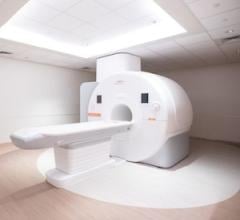
January 28, 2009 - A combination of MRI and ultrasound is able to measure the metabolism rates of cancer cells, according to research on a new technique developed by researchers at Tel Aviv University. The MRI-ultrasound technique has been refined for breast cancer identification so that each course of treatment is as individual as the woman being treated. The approach helps determine at an earlier stage than ever before which cells are metastasizing, and how they should be treated. The MRI-and-ultrasound-imaging application monitors the metabolic changes that occur during cancer metastasis. Increased blood flow (which can be sensed by ultrasound) and an increase of oxygen consumption (measured with an MRI) can indicate cancer metastasis with unprecedented levels of sensitivity. Normally scientists look for structural changes in the body, such as the presence of a tumor. But with their new methods, clinicains are able to “see” cancer metastasis within a small group of cells long before the cancer spreads to other organs in the body. “Today, clinicians only diagnose cancer when they see a tumor several millimeters in size. But our diagnosis can be derived from observing only a few cells, and looks specifically at the activation levels of a protein called Met. Activated Met is an oncogen,” said Ilan Tsarfaty, M.D., a lead researcher from TAU’s Sackler Faculty of Medicine. “If the tumor cells show activation of Met, we can design personalized medicine to treat a specific kind of breast cancer.” The method, expected to start clinical trials in 2010, is currently being researched in Israel hospitals. “We have developed a non-intrusive way of studying the metabolism of breast cancer in real time,” said Dr. Tsarfaty. “It’s an invaluable tool. By the time results are in from a traditional biopsy, the cancer can already be radically different. But using our technique, we can map the tumor and its borders and determine with high levels of certainty — right away — which patients should be treated aggressively.” “Current breast cancer treatments are not tailored to individual patients,” Dr. Tsarfaty said. “Our approach to profiling individual tumors will not only help save lives today, it will provide the basic research for developing cancer drugs of the future.” The research falls in a new field called "translational and personalized medicine.” The new research can be applied to all solid tumors, including those resulting from lung and brain cancer, and could be used to respond to a wide spectrum of neurodegenerative diseases, such as Alzheimer’s, Dr. Tsarfaty reported. Papers describing his methodologies were published recently in the journals Cancer Research and Neoplasia, and the Breast Cancer Research Foundation of America supports his research. Source: American Friends Tel Aviv University For more information: www.aftau.org
 October 09, 2026