Technology | Breast Imaging | January 21, 2019

Wire-free lesion localization marker can now be implanted for more than 30 days, creating more flexibility for providers and patients during breast surgeries

LOCalizer Implantable Tag Cleared for Long-Term Breast Lesion Placement

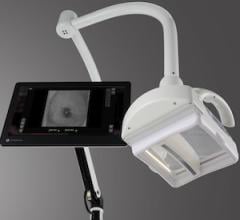
January 21, 2019 –  Hologic announced that the U.S. Food and Drug Administration (FDA) has cleared the LOCalizer radiofrequency identification (RFID) marker for long-term placement. With this clearance, the marker can now be implanted more than 30 days prior to a breast-conserving surgery, providing even greater flexibility and convenience to patients and providers.

Initially cleared by the FDA in 2017, LOCalizer is a non-radioactive, radiofrequency localization system designed for precise marking and targeting of lesions in breast-conserving surgery. The system was designed to replace the traditional wire-guided localization method, which requires placement of a wire the day of surgery. It is manufactured by Health Beacons Inc. and is exclusively distributed by Hologic.

Following placement days ahead of surgery, the miniature implantable tag can be detected by a portable, handheld reader that indicates the location and distance to the lesion, enabling the surgeon to pinpoint the correct area of breast tissue for removal. Each tag also features a unique identification number that is displayed on the reader. This improved workflow is designed to help reduce scheduling and logistical hurdles for care teams, and aims to deliver added convenience for an enhanced patient experience.

Dona Hobart, M.D., breast surgeon and medical director of the Center for Breast Health at Carroll Hospital in Maryland, has been using the LOCalizer system for almost a year. “The LOCalizer system is designed to address the challenges of other localization methods as well as enable surgeries tailored appropriately to each patient, which is a positive advancement in patient care,” she said.

For more information: www.hologic.com

Related Content

News | Artificial Intelligence

Dec. 1, 2025 — Researchers at the University of California, Berkeley and University of California, San Francisco have ...

Time December 10, 2025
arrow
News | Breast Imaging

Dec. 01, 2025 — DeepHealth, a wholly owned subsidiary of RadNet, Inc., has launched the DeepHealth Breast Suite,2 an end ...

Time December 04, 2025
arrow
News | Women's Health

Dec. 1, 2025 — ScreenPoint Medical has completed a commercial agreement making its Transpara breast-imaging AI portfolio ...

Time December 03, 2025
arrow
News | Mammography

Nov. 30, 2025 — At RSNA 2025, Siemens Healthineers will introduce new capabilities for its Mammomat B.brilliant ...

Time December 02, 2025
arrow
News | RSNA 2025

Dec. 2, 2025 — Lunit, a provider of AI for cancer diagnostics and precision oncology, will present 14 studies at RSNA ...

Time December 02, 2025
arrow
News | Women's Health

Dec. 1, 2025 — A study of data from seven outpatient facilities in the New York region found that 20-24% of all the ...

Time December 02, 2025
arrow
News | Mammography

Nov. 26, 2025 — GE HealthCare has announced it received FDA Premarket Authorization for Pristina Recon DL, an advanced ...

Time November 29, 2025
arrow
News | Artificial Intelligence

Nov. 25, 2025 – Medical imaging AI company Avicenna.AI has announced a strategic partnership with Ferrum, an AI ...

Time November 25, 2025
arrow
News | Ultrasound Imaging

Nov. 12, 2025 — GE HealthCare and DeepHealth, Inc., a wholly owned subsidiary of RadNet, Inc., have announced their ...

Time November 20, 2025
arrow
News | Breast Imaging

Nov. 17, 2025 — RadNet, Inc. and its wholly owned subsidiary, DeepHealth have announced results from the largest real ...

Time November 17, 2025
arrow
Subscribe Now