Getty Images
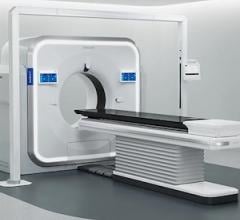
November 16, 2020 — Early and repeated exposures to diagnostic imaging, such as X-rays and computed tomography (CT) scans, may increase the risk of testicular cancer, suggests a new study from Penn Medicine researchers published online in PLOS ONE.
"The steady rise in testicular germ cell tumor (TGCT) cases over the past three or four decades suggests there is an environmental exposure risk at play, but no definitive risk factor has ever been identified," said senior author Katherine L. Nathanson, M.D., deputy director of Penn's Abramson Cancer Center and Pearl Basser Professor of BRCA-Related Research in the Perelman School of Medicine at the University of Pennsylvania. "Our data suggests that the increased use of diagnostic radiation below the waist in men over that same time may contribute to the increase in incidence."
Kevin Nead, M.D., who conducted the study while in the department of Radiation Oncology at Penn and is now at MD Anderson Cancer Center, serves as the lead author.
Radiation is a known risk factor for cancer due to its ability to damage DNA. When cells are unable to appropriately repair damaged DNA, cancer causing genetic mutations may result.
TGCT is the most common cancer in the United States and Europe in men between the ages of 15 and 45. The incidence rate has increased from about three out 100,000 men in 1975 to six out of 100,000 men today. Nearly 9,500 cases will be diagnosed by the end of the 2020.
Studies on the role that diagnostic radiation, particularly CT scans, may play in TGCT have been limited. Past reports have relied on occupational exposure, including military and nuclear workers, not patients receiving diagnostic radiation as part of clinical care, and no recent studies have evaluated the impact of diagnostic radiation.
In this latest research, the authors conducted an observational study of 1,246 men between the ages of 18 and 55 with and without testicular cancer at Penn Medicine. The participants were invited to complete a questionnaire that elicited information on known and presumptive risk factors for testicular cancer and diagnostic imaging during their lifetime, including location on the body and number of exposures, prior to their diagnosis. Tumor samples were also collected.
After adjusting for known risks of testicular cancer, including cryptorchidism and family history, race, age, and other factors, the researchers found that there was a statistically significant increased risk of testicular cancer among those reporting at least three exposures to X-ray, including a colon X-ray, and CT below the waist, compared to men with no such exposure.
Individuals with three or more exposures to diagnostic radiation had a 59 percent increased risk of having TGCT compared to individuals with no exposures to diagnostic radiation. The risk was also elevated for those exposed to diagnostic radiation during the first decade of their life, compared to those first exposed at age 18 years or later.
"If our results are validated, efforts to reduce medically unnecessary and avoidable testicular exposure should be considered, in part through efforts to reduce radiation dose and optimize shielding practices when appropriate," the authors wrote.
For more information: www.

 October 08, 2026