Sept. 17, 2026 — A multidisciplinary panel of neuroradiologists and Alzheimer’s disease clinicians writing in the American Journal of Roentgenology (AJR) supports conditional implementation of artificial intelligence clinical decision support (AI-CDS) tools to detect amyloid-related imaging abnormalities (ARIA) during anti-amyloid therapy.
The authors emphasize that these AI tools should operate strictly within a "radiologist-in-the-loop" framework to augment —rather than replace — expert radiologic interpretation.
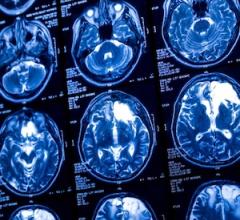
Disease-modifying monoclonal antibody therapies such as lecanemab and donanemab offer clinically meaningful slowing of cognitive decline in early Alzheimer’s disease, but they carry risks of ARIA, including vasogenic edema or sulcal effusions (ARIA-E) and microhemorrhages or superficial siderosis (ARIA-H). Accurate detection and tracking of these abnormalities guide crucial clinical decisions regarding treatment continuation, dose modification, and patient safety.
As anti-amyloid therapies transition into everyday practice, surveillance scales significantly. Panelists estimate that if 10% of U.S. patients with mild cognitive impairment or early Alzheimer’s dementia undergo treatment, routine monitoring could generate an additional 7 to 8 million MRI examinations. This surge in imaging volume magnifies workforce demands along with risks of interreader variability, diagnostic fatigue, and missed subtle abnormalities.
Key findings and recommendations from Alzheimer's study include:
-
Increased Sensitivity: Reader performance evidence demonstrates that AI assistance increases diagnostic sensitivity for ARIA-E by approximately 16 percentage points and ARIA-H by 10 percentage points while improving interreader diagnostic consistency.
-
Prioritizing Safety: Although AI assistance incurs modest reductions in specificity (3 to 9 percentage points), the panel concluded that the clinical benefit of reducing missed or delayed ARIA detection outweighs the additional review burden of false-positive findings.
-
Imaging Oversight: Interpreting radiologists must retain final diagnostic responsibility, validating AI outputs against full MRI examinations and clinical context.
-
Commercial Heterogeneity: Enterprise tools — including icometrix icobrain aria, cortechs.ai NeuroQuant Lesion Surveillance, Neurophet AQUA AD Plus, and Qynapse QyScore — vary substantially in U.S. Food and Drug Administration clearance status, technical capabilities, and validation evidence.
-
Essential Safeguards: Successful practice integration requires standardized MRI acquisition protocols, local site validation, radiologist training, ongoing quality assurance audits, and participation in real-world patient registries à la ALZ-NET and InRAD.
"AI-assisted ARIA detection is likely to enhance patient safety when used as clinical decision support within a radiologist-in-the-loop framework," the panel concluded, calling for continued prospective studies to evaluate downstream clinical outcomes and long-term impact on patient care.

 October 07, 2026