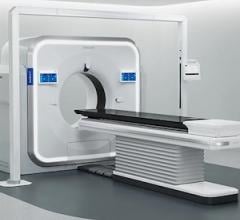
November 2, 2009 - Medical imaging cuts contained in the 2010 Medicare Physician Fee Schedule will restrict life-saving imaging care to large hospitals, produce longer commutes and wait times to receive care, and cause life threatening delays in diagnosis and treatment of cancer and other serious illnesses, said the American College of Radiology (ACR) in a public statement issued today.
“These short sighted, unfounded and misguided cuts will imperil community based imaging, restrict access to cutting-edge imaging scans, and delay diagnosis of cancers and other critical conditions which may ultimately cost lives,” said James H. Thrall, MD, FACR, chair of the American College of Radiology Board of Chancellors. “Many hospitals are not equipped to handle the substantial influx of patients that could result from the inevitable closure of rural and suburban imaging facilities caused by these cuts. Wait times will surge. Access will plummet and lives may be lost due to these ill-advised cuts.
Specifically, the Centers for Medicare and Medicaid Services will raise the imaging equipment utilization rate assumption, the time during office hours that imaging equipment is assumed to be in operation, from the current 50 percent rate to 90 percent. However, a recent Radiology Business Management Association (RBMA) study found that rural providers use scanners only 48 percent of office hours and that the national average is only 54 percent. This assumption is a major factor to determining reimbursement. The wider the gap between the new mandated 90 percent rate and the actual time a provider uses scanners, the deeper the cut.
CMS will also implement new practice expense data collected through the Physician Practice Information Survey (PPIS) further decreasing reimbursement to life saving imaging CT and MRI scans. The data from the PPI survey, based on a limited amount of survey responses, are not as robust as that from the ACR Socioeconomic Monitoring Survey (SMS) and not representative of practicing radiologists. The costs of the practice of radiology in the office setting are significantly underrepresented in the PPI survey.
The CMS 90 percent utilization mandate and practice expense reimbursement adjustments produce an average across the board 16 percent cut to imaging providers, but specifically reduce reimbursement to such essential studies as lung CT or MRI of the spine by 40 percent or more. These cuts, on top of an average 23 percent reduction from the Deficit Reduction Act of 2005, totaling $13.8 billion, will end the ability of many nonhospital providers to offer imaging services, particularly in rural areas where equipment is needed, but utilized less frequently.
“Not only will these cuts affect patients in need of high-tech scans, but wait times for common exams like bone density scans and even mammography will skyrocket. The number of centers offering mammography has already begun to go down because of poor balance between reimbursement versus risks and costs. Women could wait months or longer to receive mammograms if additional nonhospital providers who rely on offsetting payments for MRI and CT to allow them to offer mammograms, are forced to stop providing the service.. I don’t see how these cuts won’t adversely affect the health outcomes of patients,” said Thrall.
Instead of arbitrary and destructive cuts, Medicare should pursue sensible alternatives like wider use of ACR appropriateness criteria to guide physicians as to which scans are most appropriate for particular conditions and physician order entry systems based on appropriateness criteria such as that mandated for 2010 by the Medicare Improvements for Providers and Patients Act of 2008 (MIPPA). Together with facility accreditation programs, these quality based approaches can maintain and increase quality of care, reduce costs and help ensure better care without a negative impact on patients.
“Medical imaging exams have been directly linked to greater life expectancy, declines in cancer mortality rates, and are generally less expensive than the invasive procedures they replace. Utilization growth is in line with, or below that of other physician services. Why CMS would want to restrict access to lifesaving procedures and stifle research and development of new technologies at a time when imaging can do so much good for so many people is mind boggling. There will be a human cost such short sighted policy decisions,” said Thrall.
For more information: www.acr-arrs.org
 October 19, 2026