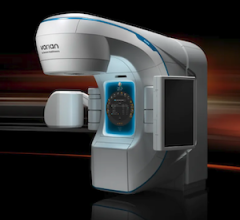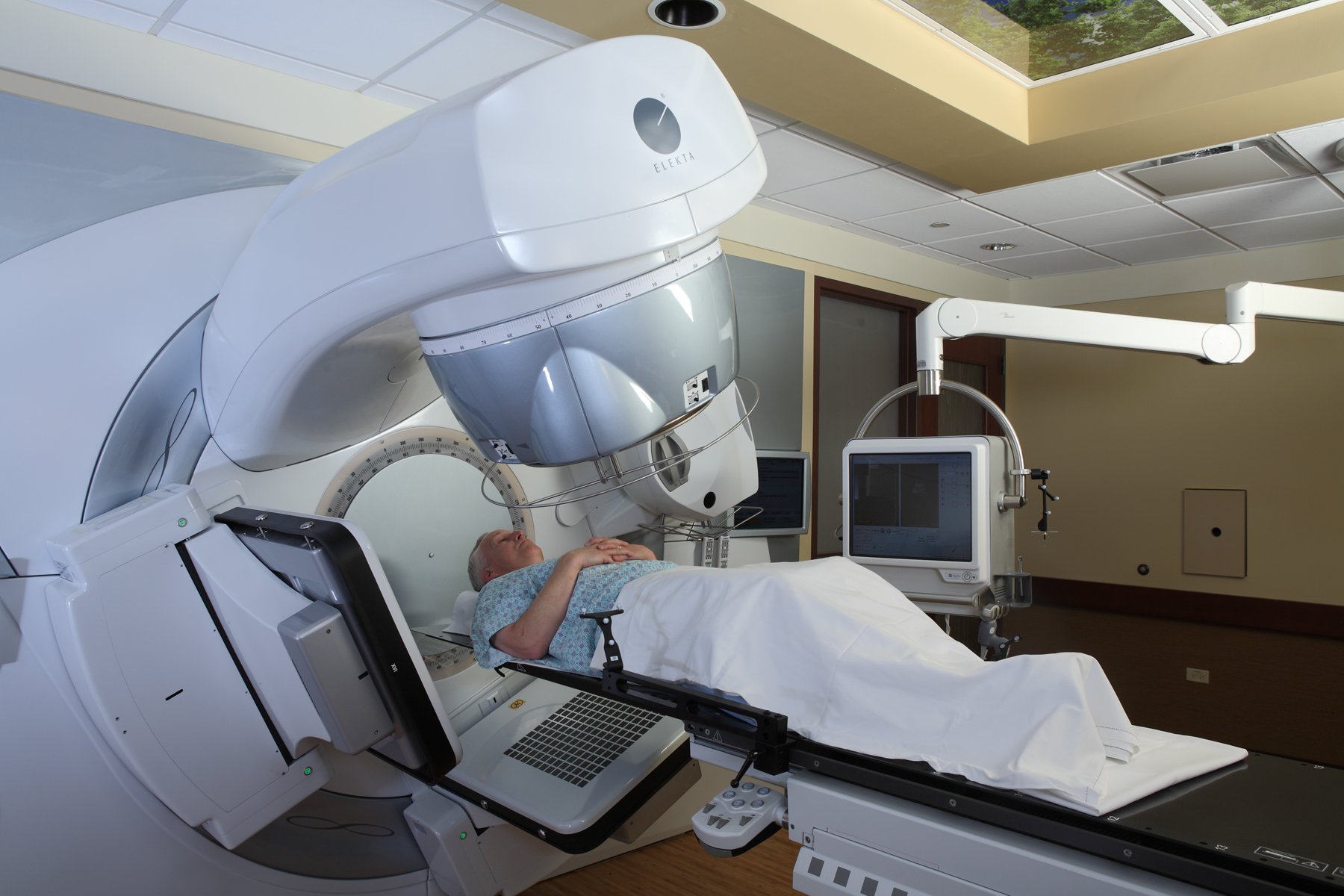
July 7, 2015 - New study findings reveal that more complications occur in patients treated with radiation therapy versus surgery for prostate cancer.
Researchers from the University of Toronto presented their findings at the Canadian Urological Association annual meeting in Ottawa in June. The findings further suggest that prostate cancer patients who undergo radiation therapy have a 25-40 percent increased risk of requiring minimally invasive urologic procedures due to treatment complications. They analyzed more than 60,000 men between the ages of 65 and 79 who had either undergone a radical prostatectomy or radiation.
"One of the issues with radiation as opposed to surgery is that many of the side effects can occur later on, which can include rectal and bladder bleeding, whereas the side effects that come along with surgery only improve as time goes on," noted David Samadi, M.D., chairman of urology and chief of robotic surgery at Lenox Hill Hospital in New York City.
Why should patients choose surgery over radiation? For many prostate cancers, surgery is the optimal treatment path because it's the only option that gives the most accurate staging and grading of the cancer. On top of that, the prostate gland and surrounding lymph nodes are completely removed. The patient's prostate-specific antigen (PSA) will drop to undetectable levels.
"Moving forward, the patient will know they are cured from this particular cancer. If the cancer recurs, patients have other options ahead of them. I always reserve low dose radiation after surgery if needed," said Samadi.
Samadi's SMART Technique for Robotic Prostate Surgery measures each patient's individual success and recovery based on his "triple play" treatment philosophy. This philosophy equally measures three aspects of the patient's quality of life after surgery: cancer cure, and retention of sexual function and continence.
"Recovery is faster and side effects are almost eliminated. Radiation can be effective for select patients, but robotic prostate surgery is much less invasive with almost no long-term urological issues," stressed Samadi.
This study is a key indicator that each treatment for prostate cancer can have various outcomes. Experts have long debated surgery versus radiation, especially when it comes to treating prostate cancer. Over the past decade the marketplace has become flooded with new technologies for prostate cancer treatment. But the truth is for qualified patients, surgery remains the only option that gives an accurate staging of the cancer and in the hands of a skilled surgeon, the prostate can be removed with greater attention resulting in improved functional outcomes, decreased blood loss, and a shorter recovery.
For more information: www.prostatecancer911.com

 October 19, 2026