November 20, 2013 — Each year, ECRI Institute, an independent nonprofit that researches the best approaches to improving patient care, offers a patient safety service to the healthcare community. The 2014 Top 10 Health Technology Hazards list raises awareness of the potential dangers associated with the use of medical devices and helps healthcare providers minimize the risk of technology-related adverse events.
The 2014 list highlights the top 10 safety topics that warrant particular attention for the coming year. A 16-page executive brief about the hazards is available for free on ECRI’s website. It describes safety issues resulting from the following 10 technologies:
- Alarm hazards
- Infusion pump medication errors
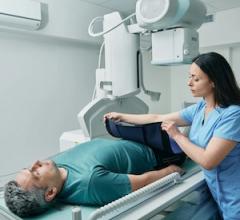
- Computed tomography (CT) radiation exposure in pediatric patients
- Data integrity failures in electronic health records (EHRs) and other health information technology (IT) systems
- Occupational radiation hazards in hybrid ORs
- Inadequate reprocessing of endoscopes and surgical instruments
- Neglecting change management for networked devices and systems
- Risks to pediatric patients from “adult” technologies
- Robotic surgery complications due to insufficient training
- Retained devices and unretrieved fragments
Clinical alarm hazards remain at the top of the list due to their prevalence, their potential to result in serious patient harm and the increased attention they will receive from the Joint Commission in the coming year. In an April 2013 Sentinel Event Alert, the Joint Commission cited 98 alarm-related events over a 3.5-year period, with 80 of those events resulting in death and 13 in permanent loss of function. The organization subsequently issued a National Patient Safety Goal for 2014 to compel healthcare providers to address alarm hazards. ECRI has developed resources and tools to help providers meet the provisions of this new goal, and it offers an alarm management safety review consulting service.
New topics this year include hazards related to radiation exposure in hybrid ORs and complications arising from insufficient training in the application of robotic surgery. The list also includes two hazards describing risks to pediatric patients: CT radiation dose and the use of technologies designed for adults.
“Technology safety can often be overlooked,” says James Keller Jr., vice president, health technology evaluation and safety, ECRI Institute. “Based on our experience, there are serious safety problems that need to be addressed. ECRI recommends that hospitals use our list as a guide to help prioritize their technology-related safety initiatives.”
To develop the annual list, ECRI and ECRI patient safety organization (PSO) engineers, scientists, nurses, physicians and patient safety analysts draw on the resources of the institute’s 45-year history, as well as their own expertise and insight gained through analyzing healthcare technologies. This includes examining health technology-related problem reports from hospitals and health systems worldwide as well as those received through federally designated patient safety organization, ECRI PSO.
Complementing the annual list is ECRI’s Web-based Health Technology Hazard Self-Assessment Tool, which provides a facility- or department-specific risk factor rating of low, medium, or high related to each of the top 10 hazards. The tool also provides targeted recommendations for mitigating the risks associated with each of the top 10 hazards.
A more comprehensive discussion of each hazard, additional recommendations for minimizing the risks and a list of useful resources for more information about each topic are provided in the November 2013 issue of Health Devices.
For more information: www.ecri.org, www.jointcommission.org

 October 07, 2026